
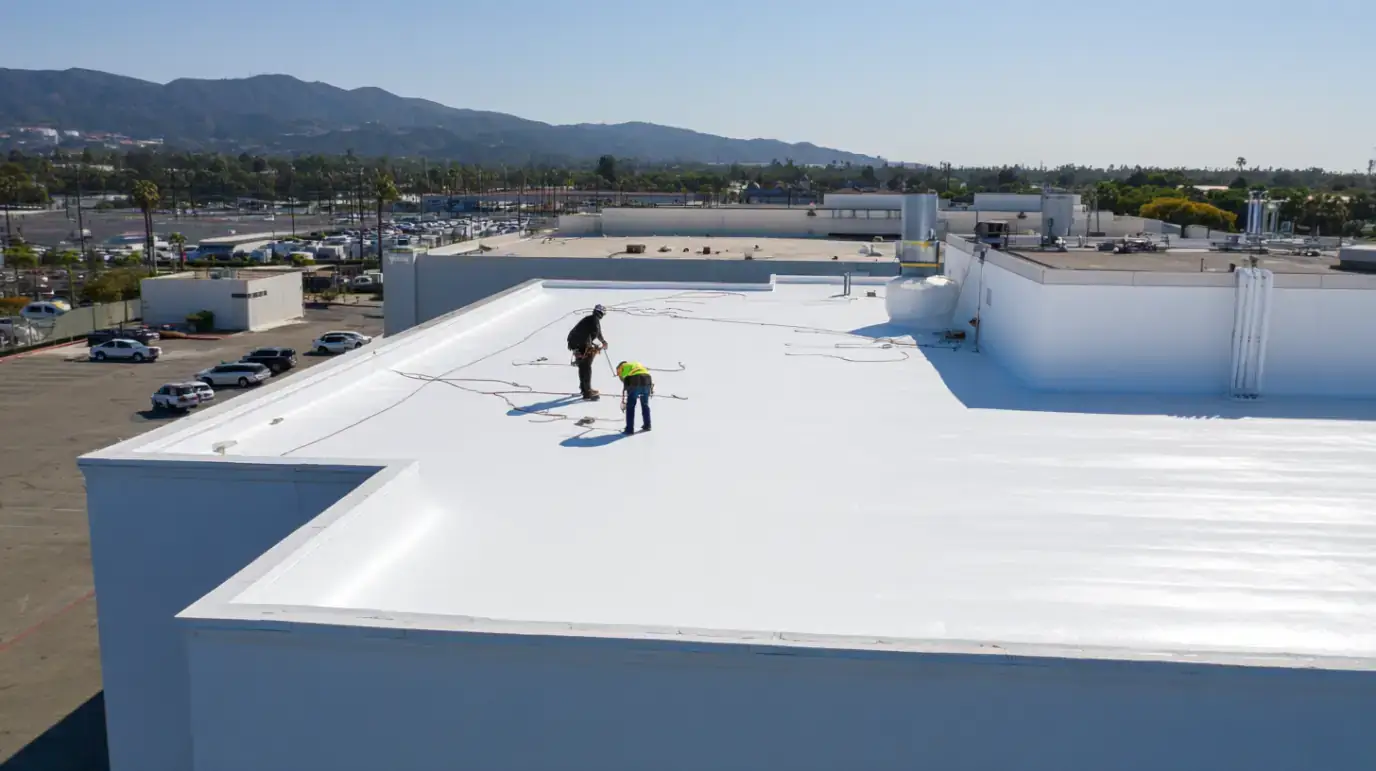
MasterRoof Mount Pleasant helps commercial property owners in Mount Pleasant, SC prepare roofing systems before hurricane season exposes weak points to wind-driven rain, salt air, ponding water, debris impact, and rooftop equipment movement. For businesses in the Lowcountry, pre-season commercial roof maintenance is not a cosmetic task; it is a risk-control process that protects inventory, tenants, employees, operations, insurance documentation, and the building envelope before a named storm is approaching the coast.
The Atlantic hurricane season runs from June 1 through November 30, which means commercial roofs should be inspected, cleaned, documented, and repaired before early summer. Waiting until a storm watch is issued leaves too little time to secure materials, schedule qualified roofers, clear drainage paths, correct open seams, or create a defensible record of the roof’s pre-loss condition.
Why Commercial Roof Maintenance Matters Before Hurricane Season
A commercial roof is one of the most exposed parts of a business property. In Mount Pleasant, coastal weather adds several stress factors at the same time: high humidity, sudden downpours, tropical systems, wind uplift, salt-laden air, UV exposure, and debris from nearby trees or neighboring properties. A roof that performs acceptably during ordinary rain may fail during hurricane conditions because the system is tested differently.
Heavy rain tests drainage capacity. Wind tests perimeter securement, membrane seams, metal edge details, fasteners, coping caps, and rooftop equipment attachments. Wind-driven rain tests flashing transitions, curb details, wall intersections, penetrations, and roof-to-parapet connections. Prolonged moisture tests previous repairs, coating adhesion, insulation condition, and hidden low spots.
A strong pre-season maintenance plan reduces the chance that a small defect becomes an interior disruption. A separated seam, clogged scupper, cracked pipe boot, loose access panel, lifted flashing edge, or displaced equipment curb seal can allow water to enter quickly once pressure, wind direction, and rainfall intensity increase. Commercial roof maintenance before hurricane season focuses on finding those failure points while there is still time to correct them.
Contact Us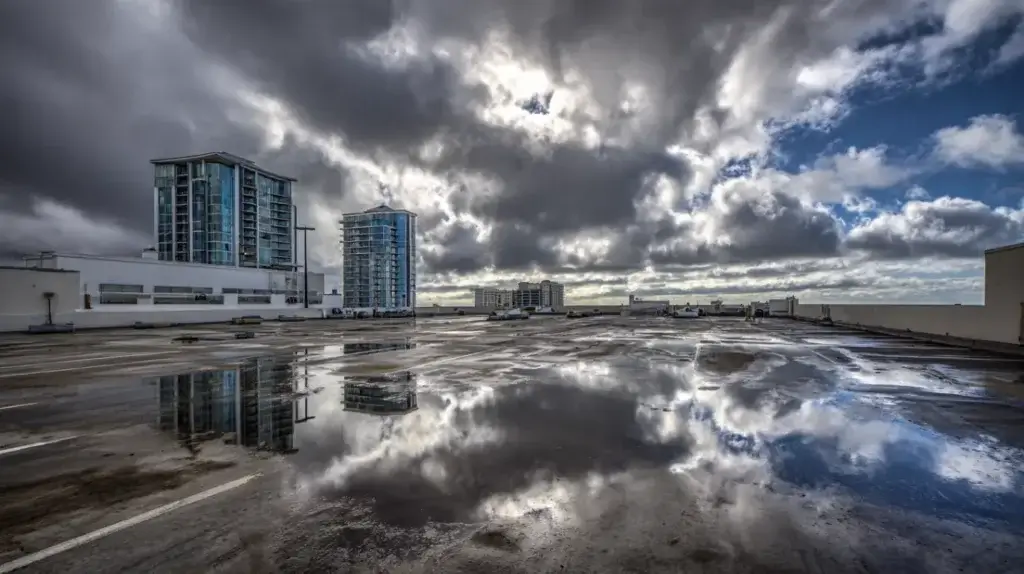
The Business Risk of Entering Hurricane Season With an Unchecked Roof
Roof damage during hurricane season rarely affects only the roof. A leak can interrupt retail operations, damage ceiling systems, threaten electrical components, create slip hazards, shut down tenant spaces, compromise stored goods, and force managers into emergency decisions while contractors, insurers, and restoration crews are already overloaded.
South Carolina Emergency Management Division advises businesses to maintain continuity and safety plans before a major incident, noting that a large-scale disaster can disrupt normal operations anywhere in the state. That guidance makes roof preparation part of broader business continuity and safety plans, not just facility maintenance.
For commercial properties, the most expensive roof failures often begin with ordinary maintenance items: blocked drains, open seams, deteriorated sealant, unsecured equipment panels, missing fasteners, loose edge metal, and undocumented prior damage. Pre-season documentation is especially important because it helps distinguish storm-related damage from wear, neglect, deferred maintenance, or pre-existing conditions.
Pre-Season Commercial Roof Inspection: The Foundation of Hurricane Readiness
A hurricane-season roof checklist should begin with a professional inspection, not with spot repairs. The inspection establishes the condition of the roof system before severe weather arrives and identifies the areas most likely to fail under storm pressure.
A proper commercial roof inspection should include:
- Roof membrane or surface condition
- Drainage performance and ponding areas
- Field seams, laps, welds, and patches
- Flashing at walls, curbs, skylights, vents, and penetrations
- Perimeter edge metal, coping, and termination bars
- Rooftop HVAC units, satellite mounts, conduit supports, and service panels
- Gutters, downspouts, drains, scuppers, collector boxes, and strainers
- Debris accumulation and vegetation growth
- Signs of moisture below the roof surface
- Interior leak evidence below roof penetrations and low points
- Photo documentation of current condition
- Written recommendations ranked by urgency
The inspection should separate immediate hurricane-season concerns from long-term capital planning. A roof may have aging components that do not need urgent work before the season, while a single open seam near a drain could require immediate attention. The goal is to prioritize defects that can allow water entry, wind uplift, or drainage failure during severe weather.
Drainage Checklist: Drains, Scuppers, Gutters, and Downspouts
Drainage is one of the most important commercial roof maintenance items before hurricane season. Flat and low-slope commercial roofs are designed to move water through internal drains, scuppers, gutters, downspouts, or tapered drainage patterns. When those paths are restricted, rainfall can build faster than the roof can shed it.
Before hurricane season, every drainage component should be cleared and tested. Leaves, pine needles, packaging materials, branches, gravel, sediment, nesting material, and wind-blown trash can collect around drains and scuppers. Even a partially blocked drain can create ponding that increases roof load, pushes water beneath laps, and accelerates membrane deterioration.
What to Check Around Commercial Roof Drains
Internal drains should have secure drain domes, clean strainers, intact clamping rings, and visible flow paths. The area around each drain should be free of sludge, membrane wrinkles, loose granules, coating buildup, and debris piles. Water stains around a drain may indicate repeated ponding or a weak seal at the drain bowl.
The drain bowl should sit at the low point. If water ponds around the drain but does not enter it, the issue may involve roof slope, insulation settlement, clogged piping, or a raised drain assembly. Pre-season maintenance should identify whether the solution is cleaning, sealant correction, localized repair, or a larger drainage improvement.
What to Check Around Scuppers and Collector Boxes
Scuppers should be open, properly flashed, and large enough to move water away from the roof edge. Collector boxes should be secure and free of leaves, corrosion, disconnected seams, and sagging. Downspouts should discharge water away from the building, pedestrian areas, storefronts, foundations, and loading zones.
A clogged scupper can cause water to rise along parapet walls. During wind-driven rain, that water can exploit weak wall flashing, open terminations, or poorly sealed counterflashing. This is why scupper cleaning must be paired with flashing inspection.
Why Ponding Water Becomes Worse During Hurricane Season
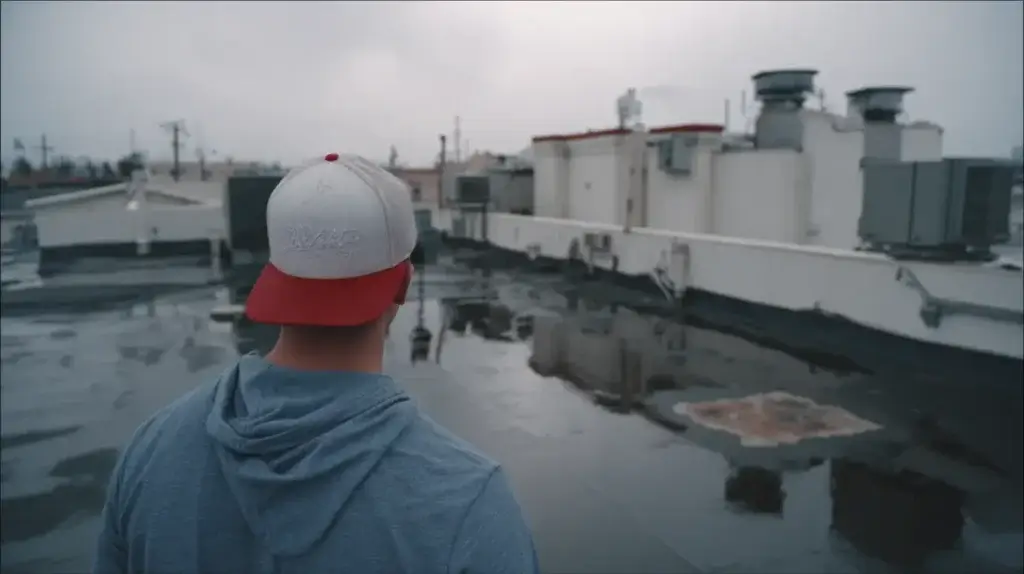
Ponding water increases risk because it keeps moisture in contact with the roof longer. On single-ply membranes, prolonged ponding can stress seams, patches, and low areas. On modified bitumen systems, standing water can accelerate surface wear and expose vulnerable details. On coated roofs, ponding can shorten coating performance if the coating is not rated for continuous water exposure.
Pre-season maintenance should document ponding areas after rainfall when possible. Photos should show location, approximate size, depth indicators when safe, and nearby roof features. This helps owners track whether drainage problems are stable, worsening, or tied to a specific blockage.
Seam and Membrane Checklist for Low-Slope Commercial Roofs
Seams are critical on low-slope commercial roofs because they join sheets, patches, transitions, and flashing details. During hurricane conditions, seams may face uplift pressure, wind-driven rain, and water migration across the roof surface. A seam that appears minor in dry weather can become a leak path when rain is pushed sideways.
TPO and PVC Seam Concerns
Thermoplastic systems such as TPO and PVC rely heavily on welded seams. Pre-season inspection should check for loose edges, fishmouths, voids, contamination, punctures near seams, previous patch quality, and stress around corners. Welded repairs should be tested and documented after completion.
Special attention should be given to areas around rooftop equipment, service walk paths, drains, and wall transitions. Foot traffic can scuff or puncture membrane near seams, especially where technicians repeatedly access HVAC panels.
EPDM Seam and Adhesive Concerns
EPDM systems often depend on seam tape, adhesives, cover strips, and termination details. Before hurricane season, the inspection should look for shrinkage, loose tape edges, bridging at corners, failed lap sealant, punctures, and stress at penetrations. Older EPDM roofs may show movement around perimeter areas or rooftop units where the membrane has been pulled over time.
Modified Bitumen Lap and Surface Concerns
Modified bitumen systems should be checked for open laps, blisters, splits, granule loss, punctures, ridging, and failed patches. Surface cracks can widen under thermal movement and wind stress. Blisters should be evaluated carefully because cutting or patching without understanding trapped moisture can create additional problems.
Coated Roof Seam Concerns
Roof coatings can extend protection, but they are not a substitute for sound seams and flashing. Before hurricane season, coated roofs should be checked for adhesion failure, cracks, pinholes, exposed membrane, ponding damage, thin areas, and coating splits over moving seams. Any exposed seam beneath a failed coating area should be repaired before recoating.
Flashing Checklist: The Most Common Storm Leak Path
Flashing protects transitions where the roof meets walls, curbs, parapets, skylights, vents, pipes, drains, and equipment. These areas move differently than the main roof field, which makes them more vulnerable during severe weather.
A pre-season flashing inspection should include:
- Base flashing along walls and parapets
- Counterflashing and termination bars
- Pipe boots and penetration seals
- HVAC curb flashing
- Skylight curbs and safety screens
- Roof hatch curbs
- Exhaust fan curbs
- Expansion joint covers
- Pitch pockets and pourable sealer
- Edge metal and coping transitions
- Corners, inside angles, and outside angles
Sealant alone should not be treated as a permanent flashing system. Caulked repairs may slow minor water entry temporarily, but hurricane-season rain can expose weak adhesion, gaps, and movement. If sealant is cracked, pulled away, UV-damaged, or applied over dirty surfaces, it should be removed and replaced as part of a proper repair detail.
Perimeter Edge Metal and Wind Uplift Preparation
The roof perimeter is one of the most important areas to inspect before hurricane season because wind pressure is often strongest at edges and corners. Loose edge metal can allow wind to get under the roof system, creating progressive damage across the membrane or panels.
Before hurricane season, the perimeter should be checked for:
- Loose coping caps
- Missing or backed-out fasteners
- Separated metal joints
- Open miters at corners
- Rust or corrosion
- Bent fascia
- Failed cleats
- Loose termination bars
- Cracked sealant at metal joints
- Evidence of previous wind movement
Commercial properties near open exposure, marsh areas, large parking lots, waterways, or unobstructed wind paths may experience stronger uplift at roof edges. Mount Pleasant buildings near coastal corridors, shopping centers, medical offices, restaurants, warehouses, and multi-tenant spaces should treat perimeter inspection as a priority, not an optional maintenance item.

Rooftop Equipment Checklist Before Hurricane Season
Rooftop equipment is a major source of commercial roof vulnerability. HVAC units, exhaust fans, vents, satellite equipment, conduits, gas lines, and service platforms can all create leak paths or become wind hazards if not properly secured.
Before hurricane season, each rooftop unit should be checked for secure panels, intact curb flashing, closed access doors, stable supports, properly routed condensate lines, and sealed penetrations. Loose HVAC panels can detach in high winds, damage the roof membrane, or expose the unit to water intrusion. Service doors should latch correctly, and missing screws should be replaced.
HVAC Curbs and Equipment Flashing
HVAC curbs should be inspected around all sides. Common issues include cracked sealant, gaps beneath counterflashing, rusted curb components, punctures from service tools, and membrane stress where technicians step or kneel. Water stains below rooftop units may indicate curb flashing failure rather than failure in the roof field.
Condensate Lines and Drainage Discharge
Condensate lines should discharge properly and should not dump water directly onto vulnerable membrane areas for long periods. Constant discharge can contribute to algae, coating wear, mineral deposits, and localized deterioration. Lines should be supported without sharp contact points that can puncture the membrane.
Conduit, Gas Lines, and Pipe Supports
Pipe supports should distribute weight without cutting into the roof. Wood blocks, loose bricks, and improvised supports can move during storms and damage the roof surface. Proper supports should allow movement, protect the membrane, and keep lines elevated enough for drainage and inspection.
Debris Removal and Housekeeping Before Storm Season
Debris is more dangerous during hurricane season than during ordinary weather. Loose objects can block drains, puncture membranes, damage skylights, dent metal panels, strike rooftop units, or become windborne hazards.
Commercial roof housekeeping should remove:
- Leaves and pine needles
- Tree branches
- Loose screws and fasteners
- Old sealant tubes
- Discarded filters
- Packaging materials
- Unused pavers or blocks
- Broken equipment panels
- Loose sheet metal
- Abandoned satellite mounts
- Construction debris
- Wind-blown trash
Nearby trees should be evaluated from the ground and roof level. Overhanging limbs can scrape roof surfaces, drop debris into drains, or break during storms. Vegetation growing in gutters or around drains indicates long-term moisture retention and should be removed before it causes root intrusion or drainage blockage.
Interior Checklist: What Businesses Should Inspect Below the Roof
A roof maintenance plan should include interior observations because some roof problems appear inside before they are obvious outside. Facility managers should walk the building before hurricane season and document ceiling stains, odors, soft ceiling tiles, bubbling paint, wall staining, musty areas, and recurring moisture near penetrations.
Important interior areas include:
- Ceiling tiles below HVAC units
- Walls below parapet transitions
- Storage rooms below drains
- Electrical rooms
- Server or IT spaces
- Retail display areas
- Tenant demising walls
- Restrooms and mechanical rooms
- Skylight wells
- Loading dock ceilings
- Areas below previous repairs
Interior documentation should include date-stamped photos and notes. If a stain already exists before hurricane season, it should be documented and investigated. This reduces confusion after a storm and helps determine whether a later leak is new, recurring, or related to an unresolved issue.
Documentation Checklist for Insurance and Storm Claims
Commercial property owners should document the roof before hurricane season, not only after damage occurs. Pre-season records help establish baseline condition and support faster decision-making after a storm.
A strong documentation file should include:
- Date of roof inspection
- Inspector or contractor name
- Roof system type if known
- Photos of all roof sections
- Photos of drains, scuppers, gutters, and downspouts
- Photos of seams, flashing, edges, and rooftop equipment
- Notes on existing defects
- Completed maintenance items
- Repair invoices
- Warranty information
- Roof plan or marked-up aerial image
- Interior ceiling photos where relevant
- Emergency contact list
- Storm response procedure
Photos should be clear, organized, and labeled by roof area. A photo of “roof damage” is less useful than a photo labeled “rear elevation, southwest corner, scupper above loading area.” The more precise the documentation, the easier it is for owners, roofers, adjusters, and restoration teams to understand what changed after a storm.
Emergency Contact Checklist for Commercial Properties
Every business should know who to call before hurricane season begins. Contact information should be stored digitally and printed because power outages, internet disruption, or staff turnover can make digital-only records unreliable.
The emergency contact list should include:
- Commercial roofing contractor
- Property manager
- Building owner or ownership representative
- Insurance agent
- Insurance carrier claim line
- Restoration company
- HVAC contractor
- Electrician
- Plumber
- Security provider
- Tenant contacts
- Local emergency management resources
- Utility providers
- Key internal decision-makers
The list should identify who has authority to approve emergency roof work. Delays often happen because staff members discover during a storm that no one knows who can authorize temporary repairs, emergency dry-in work, moisture mitigation, or interior protection.
For properties that need scheduled support before the season, commercial roofing maintenance in Mount Pleasant should be planned early enough to allow inspection, documentation, cleaning, and prioritized repairs before contractor availability tightens.
Temporary Protection Planning Before a Storm Is Named
Emergency roof response is easier when materials, access, and authority are planned in advance. Commercial property owners should not assume that tarps, fasteners, plastic sheeting, sandbags, pumps, wet vacs, and labor will be readily available once a storm track includes coastal South Carolina.
Temporary protection planning should address:
- Safe interior leak response
- Protection of inventory and electronics
- Relocation of important records
- Access to roof hatches and ladders
- Pre-approved emergency spending limits
- After-hours building access
- Tenant communication procedures
- Roof access safety restrictions
- Storm photo documentation
- Interior water containment materials
Roof tarping and temporary dry-in work should be handled carefully on commercial roofs. Improper fastening can puncture membranes, void warranty coverage, or create additional leak paths. Emergency measures should reduce damage without compromising the roof system more than necessary.
Preventive Repairs to Complete Before Hurricane Season
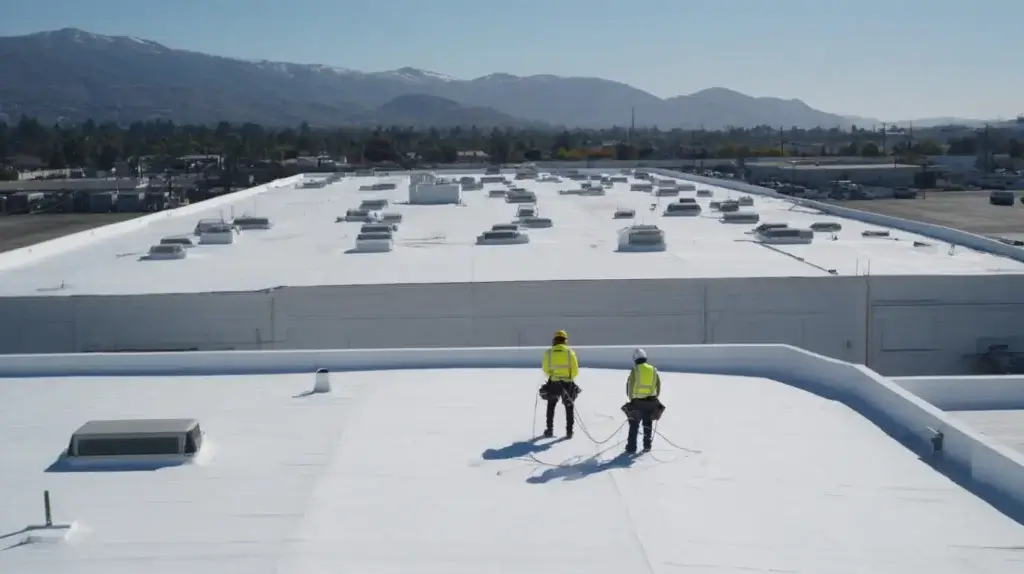
Pre-season inspections often reveal defects that should be corrected before tropical weather. Not every issue requires a major project, but small repairs should be completed with proper materials and details.
Common preventive repairs include:
- Resealing minor flashing defects
- Repairing open seams
- Replacing damaged pipe boots
- Securing loose edge metal
- Correcting punctures or membrane cuts
- Repairing failed patches
- Replacing missing fasteners
- Clearing and repairing drain assemblies
- Reworking loose termination bars
- Reinforcing vulnerable curb flashing
- Removing abandoned equipment penetrations
- Correcting loose coping joints
The best pre-season repairs are targeted, documented, and compatible with the roof system. Generic patch materials should not be applied to every roof type. TPO, PVC, EPDM, modified bitumen, metal, and coated systems each require different repair methods. Compatibility matters because the wrong material can fail early or interfere with future repairs.
Roof Access Control Before and During Hurricane Season
Foot traffic can damage commercial roofs, especially during urgent pre-storm activity. HVAC technicians, sign contractors, satellite vendors, maintenance staff, and tenants may access the roof without understanding the roof system. Before hurricane season, owners should review roof access rules.
A good access policy should include:
- Designated walk paths where needed
- Sign-in or authorization process
- Restrictions during wet or windy conditions
- Contractor insurance requirements
- Prohibition on dragging tools or panels
- Rules for placing equipment or materials
- Immediate reporting of punctures or damage
- Photo documentation after service visits
After any rooftop service call, the area around the work should be inspected. Many commercial roof leaks begin after unrelated rooftop work because panels, screws, tools, or service traffic damage the membrane or flashing.
Special Considerations for Different Commercial Roof Types
Commercial roofs do not fail in the same way. Maintenance before hurricane season should be tailored to the roof system.
TPO and PVC Roofs
TPO and PVC roofs need seam checks, puncture repairs, flashing review, drain cleaning, and inspection around heat-welded details. White membranes can hide small cuts, so close inspection is important. High-traffic zones around HVAC units should be checked for scuffs, compression marks, and tool damage.
EPDM Roofs
EPDM roofs need attention around seams, tape edges, pipe boots, shrinkage, and wall terminations. Black EPDM can experience significant surface temperature changes, so movement at edges and penetrations should be evaluated before high-wind events.
Modified Bitumen Roofs
Modified bitumen roofs should be inspected for open laps, blisters, splits, granule loss, punctures, and flashing deterioration. Drainage is especially important because recurring ponding can accelerate surface wear and expose vulnerable areas.
Metal Commercial Roofs
Metal roofs should be checked for loose fasteners, backed-out screws, deteriorated washers, panel movement, open ridge or hip details, sealant failure, corrosion, and loose trim. Wind-driven rain can enter at fastener lines, end laps, closures, and transitions if maintenance is deferred.
Roof Coating Systems
Coated roofs should be checked for adhesion, thickness, cracks, pinholes, ponding damage, and exposed substrate. Coating failure around seams or penetrations should be corrected before storms, especially where water can travel beneath the coating layer.
Post-Storm Roof Inspection Planning Starts Before the Storm
A pre-season maintenance plan should include a post-storm inspection process. After a significant wind or rain event, the roof should be checked even if no active leak is visible. Commercial roof damage can remain hidden until the next storm.
Post-storm inspection should look for:
- New punctures
- Displaced debris
- Loose edge metal
- Open seams
- Damaged flashing
- Shifted rooftop equipment panels
- Blocked drains
- Standing water
- Impact marks
- Interior stains
- Wet insulation indicators
- Damaged skylights or hatches
The post-storm inspection should compare new findings with pre-season photos. This comparison is valuable for maintenance decisions, insurance communication, tenant updates, and repair prioritization.

Commercial Roof Maintenance Timeline Before Hurricane Season
The best maintenance schedule begins well before June. A practical timeline helps businesses avoid last-minute scheduling issues.
90 Days Before Hurricane Season
Schedule the roof inspection, review previous leak history, gather warranty documents, update emergency contacts, and identify tenant-sensitive areas. This is the best time to plan larger repairs, drainage corrections, or rooftop equipment coordination.
60 Days Before Hurricane Season
Complete drain cleaning, debris removal, seam repairs, flashing corrections, and perimeter securement. Confirm that rooftop equipment vendors have addressed loose panels, supports, and access concerns.
30 Days Before Hurricane Season
Perform a follow-up walk, confirm completed repairs, update documentation, store before-season photos, and verify emergency authorization procedures. Review interior protection plans for inventory, electronics, records, and tenant spaces.
During Hurricane Season
Monitor the roof after major rain and wind events. Keep drains clear, limit unnecessary roof access, document new concerns immediately, and schedule professional inspections after significant storms.
The Mount Pleasant Commercial Roof Maintenance Advantage
Commercial properties in Mount Pleasant face coastal conditions that make pre-season roof maintenance especially important. Salt air can accelerate metal corrosion. Humidity can worsen moisture retention. Tree debris can block drainage quickly. Tropical rain can overwhelm neglected drainage systems. Wind can exploit weak edges, loose panels, and open flashing.
A roof that is maintained before hurricane season gives owners more control. It reduces emergency calls, supports cleaner insurance documentation, helps protect tenants, and creates a clearer plan for storm response. MasterRoof Mount Pleasant approaches hurricane-season preparation as a practical building-protection process: inspect the system, remove avoidable risk, document the condition, correct vulnerable details, and prepare the business before weather pressure arrives.
Conclusion
Commercial roof maintenance before hurricane season should be completed before storms threaten the South Carolina coast, not after warnings are issued. A strong seasonal checklist covers drains, seams, flashing, rooftop equipment, debris removal, emergency contacts, documentation, interior observations, and professional pre-season inspection. When these steps are handled early, businesses reduce leak risk, improve storm readiness, protect operations, and create a clearer record of roof condition before severe weather tests the building.
FAQ
How often should a commercial roof be inspected before hurricane season?
A commercial roof should be inspected at least once before hurricane season, ideally in spring before June 1. Properties with older roofs, heavy rooftop equipment, tree coverage, known drainage issues, or previous leaks may need an additional follow-up inspection after repairs or after major storms.
What is the most important commercial roof maintenance task before hurricane season?
Drainage cleaning is one of the most important tasks because blocked drains, scuppers, gutters, or downspouts can cause ponding water and interior leaks during heavy tropical rain. However, drainage should be checked alongside seams, flashing, edge metal, and rooftop equipment because hurricane damage often involves multiple weak points.
Should businesses document the roof before hurricane season?
Yes. Pre-season photos, inspection reports, repair invoices, and maintenance records help establish the roof’s condition before storm activity. This documentation can support faster repair decisions, clearer insurance communication, and better comparison after wind or rain events.