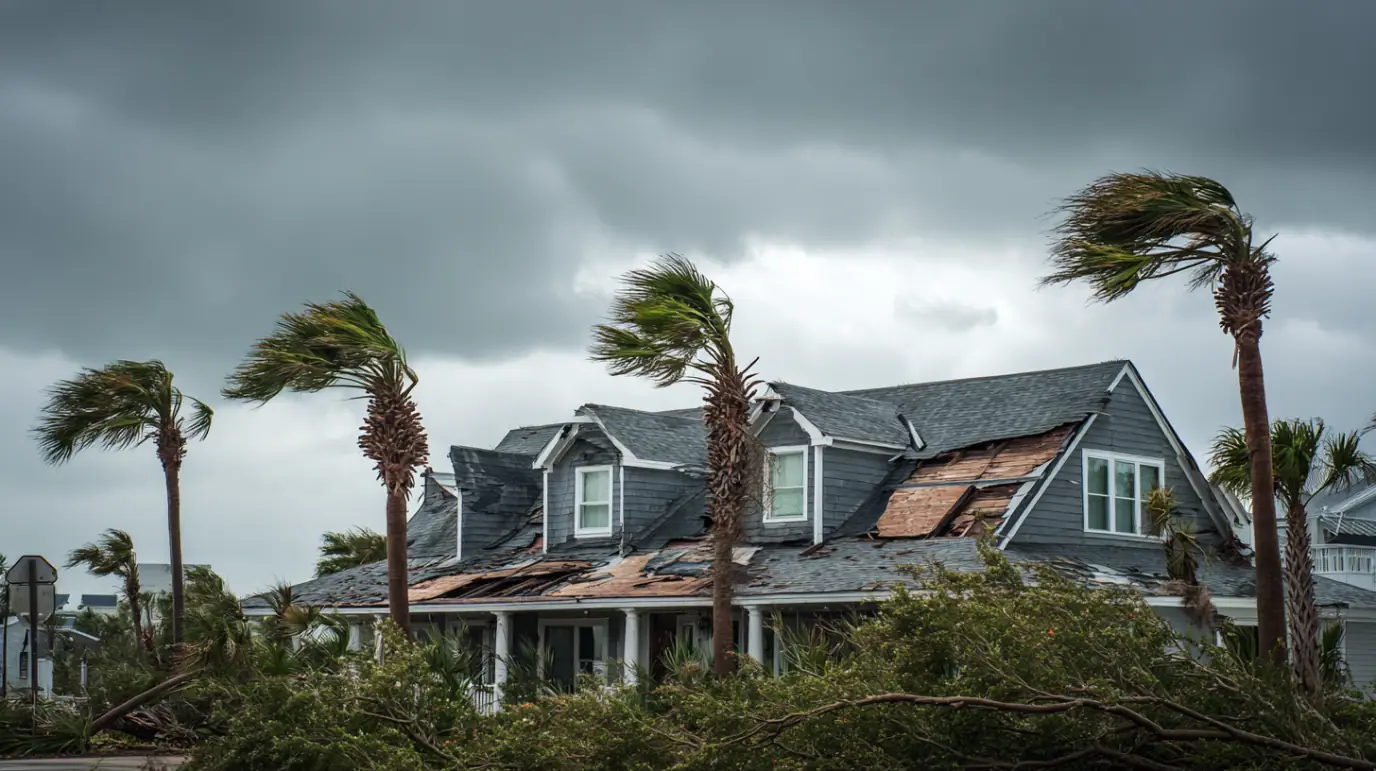
For homeowners in Mount Pleasant, SC, the best time to replace a roof is usually before hurricane season, ideally during late winter, spring, or early fall, when weather windows are more predictable, roofing schedules are easier to secure, and the home can be reinforced before wind-driven rain tests weak shingles, flashing, roof decking, and ventilation. At MasterRoof Mount Pleasant, we treat roof replacement timing as a coastal protection decision, not just a home improvement project, because Lowcountry roofs face humidity, salt air, heat, tropical rain bands, high winds, storm surge risk, and sudden post-storm contractor demand.
The official Atlantic hurricane season runs from June 1 through November 30, with peak activity around September 10 and most activity concentrated from mid-August through mid-October, according to the National Hurricane Center. That timing matters because a roof that looks “good enough” in March can become a liability by August if it already has brittle shingles, exposed nail heads, deteriorated pipe boots, loose flashing, soft decking, poor attic ventilation, or hidden leak paths around valleys and wall transitions.
For most Mount Pleasant homes, the practical answer is clear: replace the roof before hurricane season if the roof is already near the end of its service life, has active leaks, has storm damage, or shows widespread shingle failure. Waiting until after hurricane season only makes sense when the roof is still performing well, inspection findings are minor, and repairs can safely carry the system through summer and fall.
The Best Roofing Season in Mount Pleasant Depends on Risk, Not Just Weather
Mount Pleasant roofing decisions are different from inland roofing decisions because the local environment punishes marginal roofs faster. Homes near the coast deal with warm moisture, salty air, sudden heavy rainfall, high humidity, UV exposure, wind uplift, and tropical weather systems that can push water under materials that would otherwise survive a normal rainstorm.
The best season is not simply the driest month or the mildest temperature. The best season is the period when the roof can be replaced before the next major stress cycle. In Mount Pleasant, that stress cycle usually means hurricane season, summer thunderstorm activity, tropical moisture, and late-season wind events.
A roof replacement should be scheduled before hurricane season when the existing roof has:
- Shingles that are curling, cracking, blistering, or losing granules
- Missing, lifted, or creased shingles after previous wind events
- Repeated leaks after heavy rain
- Rusted or failing flashing around chimneys, walls, skylights, and vents
- Soft or stained roof decking
- Sagging roof planes
- Aging pipe boots or failed sealant
- Moss, algae, or moisture retention under shaded roof sections
- Attic heat buildup caused by poor ventilation
- Evidence of previous patchwork repairs
- A roof age approaching the end of its expected service life
The most expensive mistake is waiting for a storm to “prove” the roof needs replacement. By the time a failing roof leaks during a tropical system, the project is no longer just a roof replacement. It can become an emergency involving ceiling damage, insulation saturation, drywall staining, mold risk, electrical concerns, insurance documentation, temporary tarping, and longer contractor wait times.
Contact Us
Before Hurricane Season vs. After Hurricane Season: The Short Answer
For a roof that is already failing, before hurricane season is the better choice.
For a roof that is structurally sound but aging, spring inspection followed by planned replacement before peak storm activity is usually the safest timeline.
For a roof that survives the season with only minor wear, fall is an excellent time for inspection, repair planning, and replacement before winter moisture and the next year’s storm season.
For a roof damaged by a named storm, after hurricane season may be unavoidable, but it often comes with delays because roofing companies, insurance adjusters, material suppliers, and local permitting offices can all face heavier demand after major weather events.
The best timing is not based on the calendar alone. It is based on how much risk the current roof can carry. A 7-year-old roof with one damaged pipe boot may only need a targeted repair before hurricane season. A 19-year-old architectural shingle roof with granule loss, lifted shingles, and staining near roof penetrations should not be treated the same way. In that case, scheduling replacement before hurricane season is usually the smarter financial and structural decision.
Why Spring Is Often the Best Time to Replace a Roof in Mount Pleasant
Spring is one of the strongest roof replacement windows in Mount Pleasant because it gives homeowners time to inspect, plan, estimate, choose materials, schedule labor, and complete the project before the most active part of hurricane season.
Spring replacement is especially valuable because it happens before the highest demand period. Roofing crews are typically easier to schedule than they are after a major storm. Material availability can be more predictable. Homeowners have more time to compare roof system options instead of making rushed decisions under the pressure of an active leak.
A spring roof replacement also gives the new system time to settle into place before late-summer tropical weather. Shingles need proper installation, clean decking, correct fastening, sound flashing, sealed penetrations, balanced ventilation, and properly installed underlayment to resist wind-driven rain. Replacing the roof in spring allows the home to enter hurricane season with a complete system rather than a patchwork of temporary repairs.
Spring is also the right time to address problems that are easy to miss during dry weather. A professional roof inspection should look beyond obvious shingle damage and evaluate the roof as a full system: decking, valleys, flashing, drip edge, starter shingles, ridge caps, attic ventilation, pipe boots, chimney transitions, roof-to-wall connections, and water-shedding patterns.
For Mount Pleasant homes, spring is also a useful time to assess shaded roof sections, tree overhang, debris buildup, and moisture retention. Humid coastal conditions can make slow-drying roof areas more vulnerable to staining, biological growth, and material deterioration. A spring inspection can separate cosmetic discoloration from performance concerns.
Why Waiting Until Summer Can Create Roofing Problems
Summer may seem convenient because hurricane season has just begun, but it can quickly become a risky time to discover that the roof needs replacement. June and July can still allow roof work, but by late summer the margin for error becomes smaller. Tropical systems may not directly strike Mount Pleasant every year, but even offshore systems can bring wind-driven rain, saturated ground, fallen limbs, and prolonged moisture.
Summer roof replacement also comes with heat-related installation challenges. Roofing crews can still work in hot weather, but extreme roof surface temperatures require careful staging, material handling, and crew safety planning. High heat can make shingles more pliable, increase the risk of scuffing, and shorten productive working windows during the day. Afternoon thunderstorms can interrupt tear-offs and require tight dry-in procedures.
The bigger issue is not whether roof replacement can be done in summer. It can. The issue is whether the homeowner has waited too long. A roof replacement scheduled in early summer may still be reasonable. A roof replacement requested after multiple heavy rain events, during a stretch of tropical activity, or after widespread local damage can be much harder to schedule quickly.
A weak roof should not be carried into August or September with the assumption that there will be time later. The National Hurricane Center identifies September 10 as the peak of Atlantic hurricane season, with most activity occurring from mid-August through mid-October. For Mount Pleasant homeowners, that means the most dangerous period for an aging roof arrives after months of heat, humidity, UV exposure, and summer storms have already stressed the system.
Why Fall Is a Strong Roof Replacement Season After Storm Risk Drops
Fall can be an excellent time to replace a roof in Mount Pleasant, especially after the most active part of hurricane season passes. Temperatures are generally more comfortable, roof work can be easier to stage, and homeowners can address storm-season wear before winter rain and the next year’s planning cycle.
The best fall roofing strategy is inspection first. Not every roof needs immediate replacement after hurricane season. Some need minor flashing repair, pipe boot replacement, ridge cap repair, or shingle replacement. Others show enough damage or age-related failure to justify full replacement before the next storm season.
Fall inspections are especially important for homes that experienced:
- Heavy wind-driven rain
- Tree limb impact
- Debris accumulation in valleys
- Gutter overflow
- Interior ceiling stains
- Loose shingles in the yard
- Water marks around bathroom fans or attic vents
- Damp insulation in the attic
- Repeated leaks that appear only during angled rain
- New granule buildup in gutters or downspouts
A fall roof replacement can be a smart choice when the roof survived hurricane season but showed clear signs of weakening. It also gives homeowners more time to make decisions without the immediate pressure of a named storm forecast. Instead of waiting until spring rush or early summer urgency, fall replacement puts the home ahead of the next cycle.
However, fall is not always better than spring. If the roof is already compromised in March or April, waiting until October or November creates months of unnecessary exposure. Fall is a strong season for planned replacement, but it should not become an excuse to delay a roof that already needs action.
Winter Roof Replacement in Mount Pleasant: Often Possible, Sometimes Strategic
Winter roof replacement in Mount Pleasant is often more realistic than in colder regions because the Lowcountry climate is milder. While cold snaps and rain can still interrupt work, winter may offer useful scheduling advantages for homeowners who want to avoid spring and summer demand.
Winter replacement can be especially strategic for homeowners who know the roof is near the end of its life and want the project completed well before hurricane season. Replacing a roof in January, February, or early March allows time for inspection, material selection, contractor scheduling, and any necessary follow-up adjustments before June.
The main concern with winter roofing is installation quality during cooler temperatures. Certain materials require proper handling, sealing conditions, and manufacturer-compliant installation practices. Shingles must be installed according to specifications, and crews must pay close attention to fastening, underlayment, flashing, and weather exposure during the tear-off process.
A properly managed winter replacement can be a strong move. A rushed winter replacement during unstable rain windows is not. The deciding factor should be contractor planning and weather management, not the season alone.
Why Pre-Hurricane Roof Replacement Is Usually Better Than Post-Storm Replacement
Replacing a roof before hurricane season gives the homeowner control. Replacing a roof after storm damage often means reacting under pressure.
Before hurricane season, homeowners can choose materials carefully, review warranty options, inspect ventilation, evaluate decking, plan around family schedules, and complete the project before major weather stress. After a major storm, those advantages shrink. Demand rises quickly. Emergency calls increase. Temporary tarping becomes common. Insurance claims require documentation. Material availability may tighten. Labor schedules can fill. Homeowners may have to wait longer while the roof remains vulnerable.
South Carolina’s coastal environment makes this especially important because hurricanes and tropical storms can bring strong winds, storm surge flooding, and heavy rainfall that damage public and private property along the coast. Even when a home is not directly on the beach, Mount Pleasant roofs can still be affected by wind-driven rain, flying debris, falling limbs, saturated soil, clogged drainage, and repeated bands of heavy precipitation.
The best roof replacement is the one completed before the emergency begins. Once water enters the home, the roof is no longer the only problem.
The Hidden Cost of Waiting Until Peak Storm Season
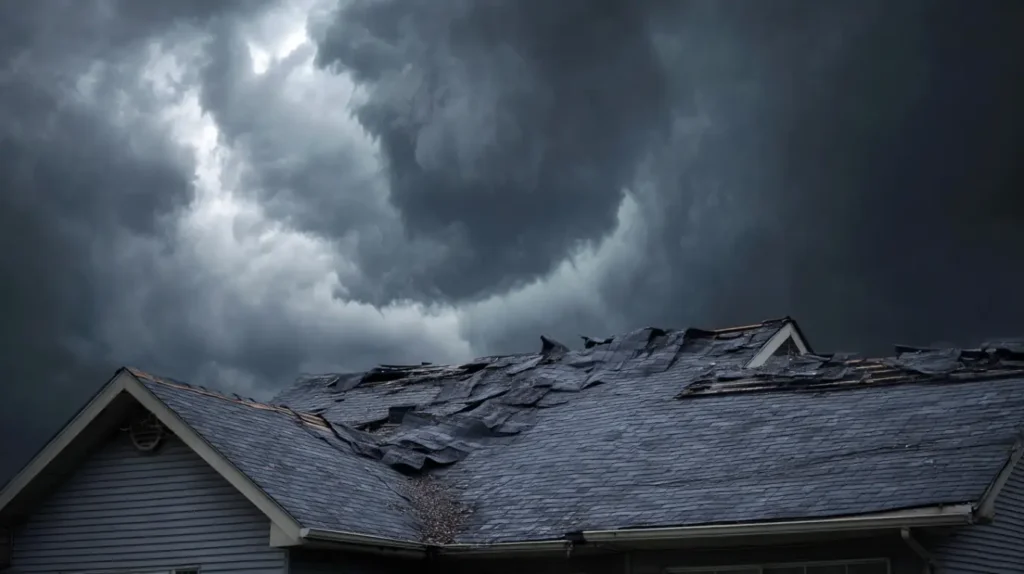
Waiting until peak storm season can cost more than time. It can change the entire scope of the project.
A roof that could have been replaced under controlled conditions may become a more expensive project if water intrusion damages the roof deck. Decking replacement increases labor and material needs. Wet insulation can reduce energy performance and create indoor air quality concerns. Ceiling stains may require drywall repair and repainting. Repeated leaks can damage trim, flooring, electrical fixtures, and attic framing.
A delayed replacement can also complicate insurance conversations. Insurance may respond differently depending on whether damage is sudden storm-related, long-term wear, poor maintenance, or a combination of causes. A roof with years of deterioration may not be treated the same as a roof damaged by a documented wind event. That is why pre-season inspections matter: they create a clearer record of roof condition before major storms arrive.
The hidden cost of waiting also includes scheduling stress. After a widespread storm, roofers are not only handling replacement estimates. They are also handling emergency tarping, leak calls, inspection requests, insurance documentation, temporary repairs, and priority situations where active water is entering homes. Homeowners who planned ahead avoid competing with the entire local market at once.
Why Post-Storm Scheduling Delays Are Common in Coastal South Carolina
After a major storm event, roofing delays are not just caused by contractors being busy. Several systems become overloaded at the same time.
First, homeowners across the area begin requesting inspections. Even roofs without visible damage may need evaluation because wind uplift, lifted shingles, and flashing damage are not always obvious from the ground. Second, insurance adjusters may be backed up. Third, suppliers may see increased demand for shingles, underlayment, drip edge, vents, fasteners, flashing, and decking. Fourth, local building departments may process more permit-related activity. Fifth, emergency repairs may take priority over planned replacements.
This is why waiting until after hurricane season can be risky for a roof that is already known to be failing. The homeowner may assume replacement can be scheduled immediately after the season ends, but a significant storm can create a backlog that pushes non-emergency work further out.
After a major weather event, the best contractors often become the hardest to book. Homeowners who wait may feel pressured to choose whoever is available first, which can increase the risk of poor workmanship, vague estimates, inadequate ventilation planning, weak flashing details, or incomplete cleanup. The better strategy is to make the roofing decision before urgency removes good options.
Spring Roof Inspections: The Smart First Step Before Hurricane Season
A spring roof inspection is the most practical way to decide whether replacement should happen before hurricane season. The inspection should not be a quick glance at shingles. It should evaluate the roof as a complete water-shedding and wind-resisting system.
A strong spring roof inspection should include:
- Shingle condition and remaining service life
- Granule loss patterns
- Wind-lifted, creased, cracked, or missing shingles
- Ridge cap wear
- Starter course condition
- Nail pops and exposed fasteners
- Flashing around chimneys, walls, skylights, and dormers
- Valley wear and debris accumulation
- Pipe boots and vent penetrations
- Attic ventilation balance
- Signs of trapped heat or moisture
- Roof decking softness or staining
- Gutter drainage and overflow points
- Fascia and soffit condition
- Evidence of previous repairs
- Interior ceiling stains or attic moisture
Spring inspection is especially important for older roofs because early replacement can prevent emergency replacement. It gives homeowners time to schedule a roof replacement in Mount Pleasant before demand rises and before peak hurricane activity puts the system under pressure.
Fall Roof Inspections: The Best Way to Catch Storm-Season Damage
Fall inspections serve a different purpose. Instead of preparing the roof for the coming hurricane season, they reveal what the roof endured during the season that just passed.
A fall roof inspection should focus on wind-driven rain paths, lifted shingles, loosened ridge caps, damaged flashing, debris impact, clogged gutters, and hidden moisture. The roof may look normal from the driveway, but small storm-season damage can become a bigger leak later.
Fall is also the right time to evaluate whether repairs are still cost-effective. If the roof has scattered minor damage but strong overall condition, repair may be enough. If the roof has widespread wear, repeated leaks, and age-related deterioration, replacement before the next storm season may be the better investment.
A fall inspection also gives homeowners time to plan financially. Roof replacement is a major home project. Waiting until water enters the home forces fast decisions. Inspecting in fall allows the homeowner to compare options, ask better questions, review ventilation needs, and choose a roof system designed for Mount Pleasant’s climate.
When Roof Replacement Should Happen Before Hurricane Season
Roof replacement should happen before hurricane season when the roof is unlikely to withstand wind-driven rain, uplift pressure, and prolonged moisture.
Pre-season replacement is strongly recommended when the roof has active leaks. An active leak is not just a nuisance before hurricane season. It is a warning that the water-shedding system has already failed. During a tropical rain event, a small leak can become a major interior damage problem.
Replacement should also happen before hurricane season when shingles are missing or lifted across multiple roof planes. A few missing shingles may be repairable, but widespread wind damage suggests the system may no longer be properly sealed or fastened.
A roof near the end of its service life should also be replaced before hurricane season if it shows advanced granule loss, brittle shingles, exposed fiberglass mat, cracking, curling, or repeated repair needs. Old shingles do not become stronger under tropical conditions. Heat, humidity, and wind usually expose weaknesses faster.
Homes with known decking issues should not wait either. Soft decking weakens the roof assembly and can make fastening less reliable. If the deck cannot hold fasteners properly, the roof system may be more vulnerable during high winds.
When It May Be Reasonable to Wait Until After Hurricane Season
Waiting until after hurricane season can be reasonable when the roof is still in good condition and inspection findings do not show major risk.
A homeowner may safely wait when:
- The roof is relatively young
- Shingles are lying flat and secure
- Flashing is intact
- There are no active leaks
- Pipe boots and penetrations are sound
- Attic ventilation is performing properly
- There is no soft decking
- Repairs are minor and completed before storm season
- The roof has no history of repeated storm-related leaks
In this situation, fall replacement may be a strategic choice rather than a risky delay. The homeowner can use spring or early summer for inspection and minor repairs, monitor the roof during the season, then schedule replacement after the most active storm period if the roof is aging but not failing.
However, waiting should always be based on inspection findings, not hope. A roof that is already showing failure signs should not be carried through hurricane season simply because replacement feels inconvenient.
How Roof Age Affects the Best Replacement Timing
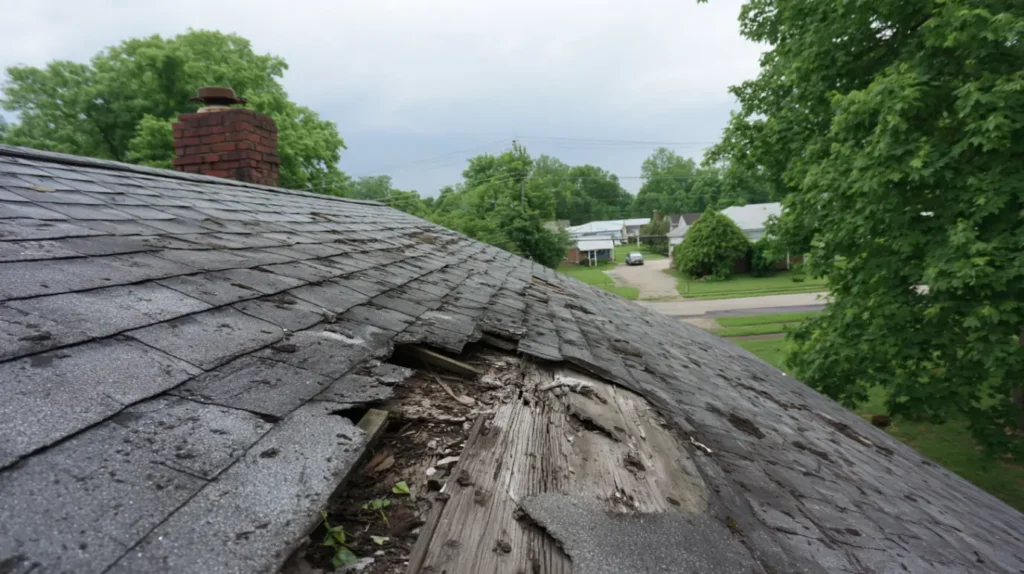
Roof age is one of the strongest timing factors, but age alone does not tell the full story. A roof’s condition depends on material quality, installation quality, ventilation, sun exposure, storm history, tree coverage, and maintenance.
A younger roof with poor installation may fail earlier than expected. An older roof with excellent ventilation and maintenance may perform longer. In Mount Pleasant, coastal exposure adds another variable because humidity, salt air, and wind-driven rain can accelerate wear on vulnerable components.
As a general rule, roof replacement timing becomes more urgent when age and visible symptoms appear together. An older roof with no leaks may deserve close monitoring. An older roof with curling shingles, granule loss, flashing failure, and stained decking should be replaced before storm season.
Homeowners should also pay attention to repair frequency. If the roof needs repeated repairs every season, replacement may be more economical than continuing to patch weak points. A roof should protect the entire home as a system. Once repairs become scattered across multiple areas, the system may be telling the homeowner it has reached the end of useful performance.
Why Roof Decking Condition Can Change the Timeline
Roof decking is one of the most important reasons not to delay replacement. Shingles, underlayment, flashing, and ventilation all depend on a sound deck. If decking is soft, delaminated, stained, or compromised by long-term moisture, the roof replacement becomes more urgent.
Decking damage is often hidden until tear-off. That is why repeated leaks should be taken seriously. A roof may have visible shingles on top while the wood underneath is weakened. During hurricane season, that weakness matters because fasteners rely on solid decking to hold the roof system in place.
When a roof is replaced before hurricane season, decking problems can be addressed under controlled conditions. Damaged sections can be removed, replaced, and properly prepared before the new roofing system is installed. If decking damage is discovered after a storm leak, the homeowner may also be dealing with interior water damage at the same time.
Why Flashing Failure Should Not Be Carried Into Hurricane Season
Flashing is one of the most common sources of roof leaks, especially during wind-driven rain. In Mount Pleasant, flashing details around chimneys, sidewalls, dormers, skylights, valleys, and roof penetrations deserve special attention before hurricane season.
A roof can have decent shingles and still leak if flashing is poorly installed or deteriorated. Tropical rain does not fall straight down. Wind pushes water sideways, upward, and into vulnerable transitions. Weak flashing that survives a normal shower may fail during a storm band.
Replacement before hurricane season allows flashing to be rebuilt as part of the full roof system. This is especially important when old flashing has been sealed repeatedly with caulk or roofing cement. Sealant may provide temporary relief, but it should not be the primary defense for major roof transitions.
If the roof is already old and flashing is failing in several areas, full replacement is often more reliable than repeated flashing patches.
Why Attic Ventilation Should Be Reviewed Before Roof Replacement
Roof replacement timing is also an opportunity to correct attic ventilation problems. In coastal South Carolina, attic ventilation affects heat, moisture, shingle performance, and roof deck condition.
Poor ventilation can trap heat and humidity under the roof deck. Over time, that can contribute to premature shingle aging, moisture stains, insulation problems, and higher cooling demand. Replacing shingles without evaluating ventilation can leave a major performance issue unresolved.
A proper roof replacement should review intake and exhaust ventilation. Soffit vents, ridge vents, attic airflow paths, and ventilation balance should all be considered. If the roof is being replaced before hurricane season, ventilation upgrades can be completed before summer heat reaches its strongest levels.
This is one reason homeowners should avoid treating roof replacement as a simple shingle swap. A coastal roof needs a system-based approach: decking, underlayment, flashing, ventilation, fasteners, drainage, and material selection all work together.
Roofing Materials and Seasonal Timing in Mount Pleasant
Material choice can influence the best replacement schedule. Asphalt shingles remain common for residential roofing, but not all shingles perform the same under coastal conditions. Homeowners should pay attention to wind ratings, algae resistance, warranty terms, ventilation requirements, installation specifications, and flashing compatibility.
Metal roofing may be attractive for some coastal homes because of durability and wind performance when properly installed, but it requires experienced installation, correct fastening, proper panel detailing, and attention to corrosion risk in coastal environments. Timing still matters because complex roof systems may require longer planning and installation windows.
Low-slope roof sections, porch roofs, additions, and transitions may require different materials than the main steep-slope roof. These areas should be inspected carefully before hurricane season because they can be vulnerable to ponding water, seam failure, and wind-driven rain.
The best time to choose materials is before emergency pressure begins. Homeowners should not be forced to decide between shingles, underlayment options, ventilation upgrades, and warranty coverage while water is entering the home.
The Role of Underlayment Before Hurricane Season
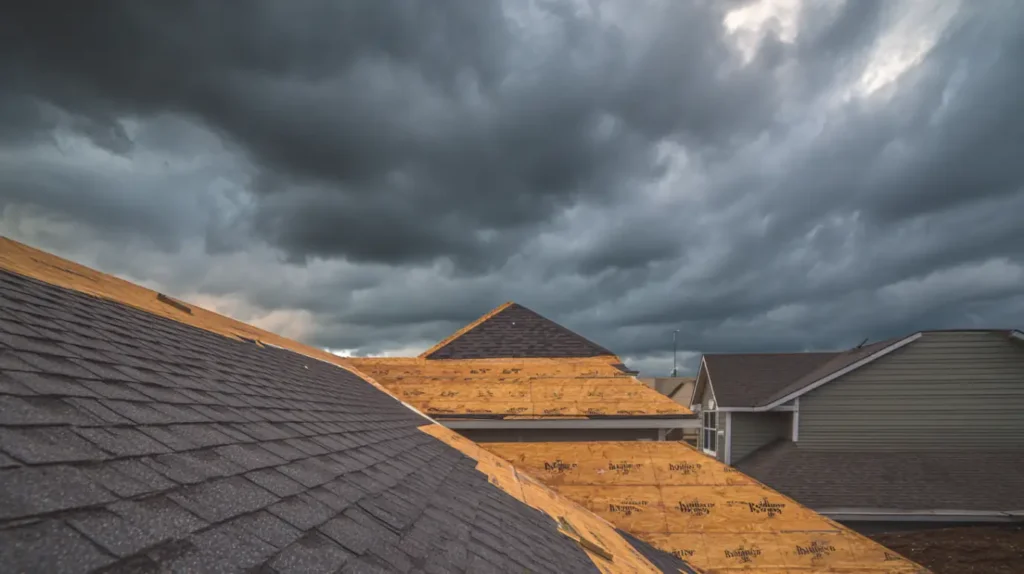
Underlayment is a critical secondary water barrier. It is not a substitute for properly installed shingles or metal panels, but it can help protect the roof deck if wind-driven rain gets beneath the primary roof covering.
In hurricane-prone coastal areas, underlayment selection and installation quality matter. Valleys, eaves, penetrations, and transitions deserve careful detailing because those are common water entry points. Ice and water shield, synthetic underlayment, drip edge, starter strips, and proper flashing integration can all influence how the roof performs during heavy rain and wind.
Replacing a roof before hurricane season gives the roofing contractor time to install the underlayment system correctly. Emergency work after a storm often focuses first on stopping active leaks, not optimizing the entire roof assembly. That is another reason planned replacement is usually better than reactive replacement.
Why Gutters and Drainage Matter Before Roof Replacement Season
Gutters are not the roof, but they affect roof performance. In Mount Pleasant, heavy rainfall can overwhelm clogged or poorly pitched gutters. Overflow can push water against fascia, soffits, siding, windows, and foundation areas. Debris in valleys can also slow roof drainage and create water backup.
Before hurricane season, homeowners should make sure gutters are clean, downspouts discharge properly, and roof valleys are free of debris. During a roof replacement, gutter condition should be evaluated because damaged fascia or poor drainage may need correction before or during the project.
A new roof can still suffer if water has nowhere to go. Drainage should be part of the pre-season conversation, especially for homes with large tree coverage, complex rooflines, or areas where water concentrates near entries, porches, or additions.
Why Tree Coverage Changes the Best Timing
Many Mount Pleasant homes have beautiful tree coverage, but branches and debris create roof risks. Overhanging limbs can scrape shingles, drop leaves into valleys, clog gutters, and increase impact risk during wind events. Shaded roof sections may also dry more slowly after rain.
If a roof is already aging, heavy tree coverage increases the case for replacement before hurricane season. It also makes spring inspection more important. Homeowners may need trimming, debris removal, gutter service, or roof repair before tropical weather arrives.
After hurricane season, tree-related roof damage should be inspected even if the roof did not leak. Branch strikes can bruise shingles, loosen flashing, damage ridge caps, or create small openings that become leaks later.
How Insurance Considerations Affect Replacement Timing
Roof replacement timing can affect insurance documentation. A pre-season inspection creates a record of roof condition before major storms. If the roof is in good condition and later suffers sudden storm damage, documentation may help support a clearer claim process.
On the other hand, if a roof has long-term deterioration, waiting for a storm does not guarantee coverage. Insurance policies often distinguish between sudden damage and wear, neglect, or age-related failure. A roof with brittle shingles, prior leaks, poor maintenance, and visible deterioration may create claim complications.
This is why homeowners should not view hurricane season as a replacement strategy. A known failing roof should be handled before storm season. Insurance is not a maintenance plan, and storm damage is not a reliable way to fund a roof that already needed replacement.
How to Decide Between Roof Repair and Roof Replacement Before Hurricane Season
Not every roof problem requires replacement. The decision should be based on the extent of damage, roof age, leak history, material condition, and whether the roof can realistically perform through hurricane season.
Repair may be enough when damage is isolated. A few missing shingles, one failed pipe boot, a small flashing issue, or localized storm damage may be repairable if the rest of the roof is strong.
Replacement becomes the better choice when problems are widespread. Multiple leaks, large areas of granule loss, repeated wind damage, brittle shingles, deteriorated flashing, soft decking, and old age all point toward replacement.
A simple decision framework:
| Roof Condition | Best Timing Decision |
| Young roof, isolated issue | Repair before hurricane season |
| Mid-life roof, minor wear | Spring inspection and targeted maintenance |
| Aging roof, no leaks but visible wear | Plan replacement before peak storm season or in fall |
| Aging roof with repeated leaks | Replace before hurricane season |
| Widespread shingle failure | Replace before hurricane season |
| Storm-damaged roof after major event | Document damage, tarp if needed, schedule replacement as soon as possible |
| Soft decking or structural concerns | Do not delay replacement |
Why Contractor Availability Should Influence Your Timeline
The best roofing schedule is usually the one made before everyone else needs the same service. Mount Pleasant homeowners who wait until a named storm is approaching may find that roofers are already booked with inspections, emergency repairs, and tarping requests.
Contractor availability matters because roof replacement is not just labor. A proper project requires inspection, estimate preparation, material ordering, scheduling, tear-off, deck repair, installation, cleanup, and final review. If demand surges, each step can take longer.
Pre-season scheduling also gives homeowners more control over who performs the work. They can review the company, ask about licensing and insurance, compare roof system details, understand warranties, and avoid rushed decisions.
The worst time to choose a roofing contractor is after water has already entered the home. The best time is when the roof can still be evaluated calmly and replaced properly.
Why Material Availability Can Change After Major Storms
After widespread storm damage, demand for roofing materials can rise quickly. Shingles, underlayment, ridge vents, pipe boots, fasteners, drip edge, flashing metal, and decking may all see increased demand. Even when materials are available, specific colors or product lines may take longer to secure.
This can affect homeowners who delay replacement until after hurricane season. If a major storm impacts the region, the homeowner may face limited scheduling options and reduced material flexibility.
Replacing the roof before hurricane season helps avoid storm-driven demand spikes. It also gives homeowners time to choose materials that match the home’s architecture and performance needs instead of settling for whatever is available fastest.
Why Waiting Can Increase Interior Damage Risk
The roof is the first defense against water. Once it fails, interior damage can spread quickly.
A small roof leak can wet insulation. Wet insulation loses effectiveness and can hold moisture against framing or ceiling materials. Water can stain drywall, damage paint, affect light fixtures, and travel along framing before appearing far from the actual roof entry point.
During hurricane season, leaks can be harder to control because rain may continue for hours or days. Wind can push water into areas that do not leak during normal rainfall. If the roof is already weak, a tropical system can expose multiple leak points at once.
Replacing before hurricane season reduces the chance that roof failure becomes an interior restoration project.
Why Roof Replacement Should Not Be Scheduled Too Close to a Storm
A roof replacement should never be planned casually when a storm is close. Roof tear-off exposes the home temporarily, even when crews dry in sections properly. A professional crew watches weather carefully and stages the project to avoid leaving the home vulnerable, but homeowners should not intentionally wait until storm activity is imminent.
The closer the project is to a tropical system, the less flexibility there is. Rain delays, wind advisories, supply delays, and emergency calls can disrupt the schedule. If the roof is already leaking, temporary protection may be needed first.
The safest approach is to replace a failing roof well before active storm threats. For Mount Pleasant, that often means completing replacement in spring or early summer rather than waiting until August or September.
The Best Month to Replace a Roof in Mount Pleasant
There is no single perfect month every year, but certain windows are usually stronger than others.
February through May is often one of the best planning and replacement periods. It allows homeowners to inspect after winter, replace before hurricane season, and avoid peak summer heat and storm urgency.
June and July can still work, especially for homeowners who schedule early and have no active storm threat in the forecast. This period is less ideal than spring but better than waiting until peak activity.
August through mid-October is the riskiest window for a roof that is already compromised because this period overlaps with the most active part of the Atlantic season. Replacement can still happen when weather allows, but waiting until this window is not ideal.
Late October through December can be a strong replacement period after storm activity declines. It is especially useful for homes that need post-season replacement before the next year.
January and February can be strategic for homeowners who want to beat spring demand and complete roof replacement well before hurricane season.

A Practical Roof Replacement Calendar for Mount Pleasant Homeowners
January–February: Plan Ahead Before the Rush
This is a good time to review roof age, previous leaks, inspection history, and budget. If the roof is old or has known problems, winter planning can secure a better schedule before spring demand rises.
March–May: Inspect and Replace Before Hurricane Season
This is one of the best windows for roof replacement. Homeowners can complete inspections, compare options, replace failing roofs, and enter hurricane season with a stronger roof system.
June–July: Final Pre-Storm Opportunity
This is the last practical window for homeowners who delayed spring planning but still need replacement before peak activity. Scheduling should happen as early as possible.
August–Mid-October: Avoid Waiting Unless the Roof Is Sound
This is the peak-risk period. A strong roof should be monitored. A weak roof should not have been carried this far if replacement was already needed.
Late October–December: Inspect, Repair, and Replace After the Season
This is a strong post-season period for homeowners who want to correct storm wear and prepare for the next year.
What a Hurricane-Ready Roof Replacement Should Include
A hurricane-ready roof replacement is not just new shingles. It should include a full evaluation of every roof component that affects water resistance and wind performance.
A strong replacement scope should include:
- Full tear-off of old roofing materials when appropriate
- Inspection of roof decking
- Replacement of damaged decking
- Proper underlayment installation
- Drip edge installation
- Starter shingle installation
- Correct shingle fastening pattern
- High-quality flashing details
- New pipe boots and penetration seals
- Proper valley treatment
- Ridge cap replacement
- Balanced attic ventilation
- Cleanup of debris and nails
- Final workmanship review
The most important details are often the least visible. Flashing, fasteners, underlayment, and ventilation determine whether the new roof performs as a system. Homeowners should ask about these details before scheduling.
Why Mount Pleasant Roofs Need Coastal-Specific Planning
Mount Pleasant homes face a combination of roof stressors that make timing more important. Humidity can slow drying. Salt air can affect exposed metal components. Afternoon storms can bring sudden rainfall. Tropical systems can push water sideways. Tree cover can trap debris. Low-lying areas can experience flooding concerns. Coastal winds can test weak roof edges, ridges, and transitions.
The Town of Mount Pleasant notes that tropical weather is a common concern during summer and fall, with storm surge, high winds, tornadoes, rip currents, and inland flooding among the serious impacts associated with tropical systems. For roofing, the practical takeaway is that the home should not enter this season with a roof that already has known failure points.
A roof replacement in Mount Pleasant should account for local weather behavior. That means strong edge details, clean flashing transitions, proper ventilation, reliable drainage, and materials selected for coastal durability.
Why “One More Season” Can Be an Expensive Bet
Many homeowners delay roof replacement because the roof has not failed completely. The problem is that roofs rarely fail all at once at first. They usually fail in small ways: a lifted shingle, a cracked boot, a loose ridge cap, a stained ceiling, a soft decking area, a minor leak around a wall flashing.
Those small failures become expensive when a storm finds them.
“One more season” may be reasonable for a roof that passes inspection. It is risky for a roof with known damage. The difference is evidence. A professional inspection can show whether the roof has enough remaining life to make it through hurricane season or whether replacement should happen first.
What Homeowners Should Do Before Scheduling Roof Replacement
Before scheduling replacement, homeowners should gather information that helps define the project clearly.
Useful preparation includes:
- Knowing the approximate roof age
- Listing past leak locations
- Taking photos of ceiling stains or attic moisture
- Noting any missing shingles or debris after storms
- Checking whether insurance claims were filed in the past
- Reviewing HOA requirements if applicable
- Considering ventilation concerns
- Identifying preferred material colors
- Asking about warranty coverage
- Discussing scheduling before hurricane season
This preparation helps the roofing estimate become more accurate. It also reduces surprises during the project.
The Final Recommendation: Replace Before Hurricane Season When the Roof Is at Risk
For Mount Pleasant homeowners, the safest roof replacement timing is simple: do not carry a failing roof into hurricane season.
Spring is often the strongest replacement window because it allows inspection, planning, and installation before the most active weather period. Fall is also excellent for post-season replacement, especially when the roof is aging but not actively leaking. Winter can be strategic for early planners. Summer can work, but it becomes riskier as peak hurricane activity approaches.
The roof’s condition should make the decision. If the roof is old, leaking, wind-damaged, or repeatedly repaired, replacement before hurricane season is the better move. If the roof is younger, sound, and professionally inspected, waiting until fall may be reasonable.
Conclusion
The best time of year to replace a roof in Mount Pleasant is usually before hurricane season, especially when the existing roof has leaks, storm damage, brittle shingles, flashing problems, or age-related wear. Spring gives homeowners the strongest combination of preparation time, contractor availability, material flexibility, and storm readiness, while fall is a smart second window for roofs that remain stable through the season. Waiting until peak hurricane season or after a major storm can create scheduling delays, material pressure, emergency repair costs, and greater risk of interior water damage. A roof replacement should happen when the homeowner still has control over timing, not after coastal weather has already exposed the weakest part of the home.
FAQ
Is spring or fall better for roof replacement in Mount Pleasant?
Spring is usually better if the roof has any risk factors before hurricane season, including leaks, age, missing shingles, or flashing problems. Fall is also a strong option if the roof is still performing well and the homeowner wants to replace it after storm season before the next year’s weather cycle.
Should I replace my roof before hurricane season if it is not leaking?
A roof does not need to be actively leaking to need replacement. If it is old, brittle, losing granules, showing lifted shingles, or requiring repeated repairs, replacement before hurricane season may be the safer choice. If an inspection shows the roof is sound, minor repairs and fall planning may be enough.
Why is it harder to schedule roof replacement after a major storm?
After a major storm, many homeowners request inspections, emergency tarping, repairs, insurance documentation, and full replacements at the same time. Contractors, suppliers, adjusters, and local permitting resources can all become busier, which can delay non-emergency roof replacement projects.