

When a roof starts leaking during a thunderstorm or tropical storm in Mount Pleasant, SC, the first priority is not repairing the roof itself; it is protecting people, electrical systems, ceilings, flooring, furniture, and important documentation before the damage spreads. At MasterRoof Mount Pleasant, we approach active storm leaks as urgent water-intrusion events where the first 30 minutes can determine whether the problem stays limited to one ceiling stain or expands into soaked insulation, damaged drywall, electrical hazards, flooring issues, and hidden moisture inside wall cavities.
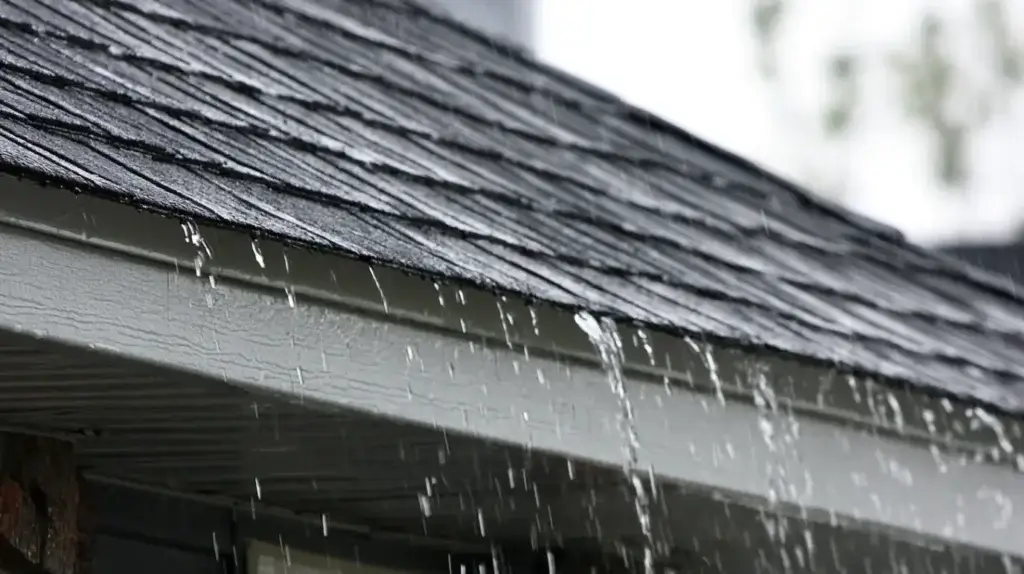
A roof leak during heavy rain is different from a small drip noticed on a clear day. Wind-driven rain can force water under shingles, through flashing gaps, around pipe boots, beneath ridge vents, into skylight curbs, and across attic framing before it appears inside the home. During tropical weather, the leak you see in the living room may not be directly under the damaged roof area because water can travel along rafters, decking, insulation, electrical lines, and ceiling joists before dripping into the interior.
For Mount Pleasant homeowners, this matters because Lowcountry storms can bring heavy rainfall, coastal wind gusts, saturated ground, tree debris, and storm surge concerns in the same weather system. The National Hurricane Center identifies major tropical cyclone hazards such as storm surge, heavy rainfall and inland flooding, high winds, rip currents, and tornadoes as part of the broader storm risk profile, which is why an active roof leak should be handled with both urgency and caution through the entire event.
The First Rule: Do Not Climb on the Roof During the Storm
Never climb onto a roof while rain, lightning, strong wind, or tropical storm conditions are present. A wet roof surface can become slick within seconds, especially on shingles with algae, metal flashing, tile, low-slope sections, or areas covered with leaves and pine needles. Wind gusts can shift a ladder, falling branches can strike without warning, and lightning can create serious risk even before rain begins directly overhead.
We do not recommend attempting to patch shingles, lift tarps, seal flashing, clear gutters, or inspect roof valleys from a ladder during a thunderstorm. Even a one-story home can become dangerous when the ground is saturated, the ladder feet sink into soil, or wind pushes rain sideways. Emergency roof leak response should begin from inside the home until conditions are safe for exterior work.
The safest immediate goal is simple: reduce interior damage, isolate hazards, document what is happening, and prepare for professional emergency tarping or repair as soon as weather conditions allow.
Contact Us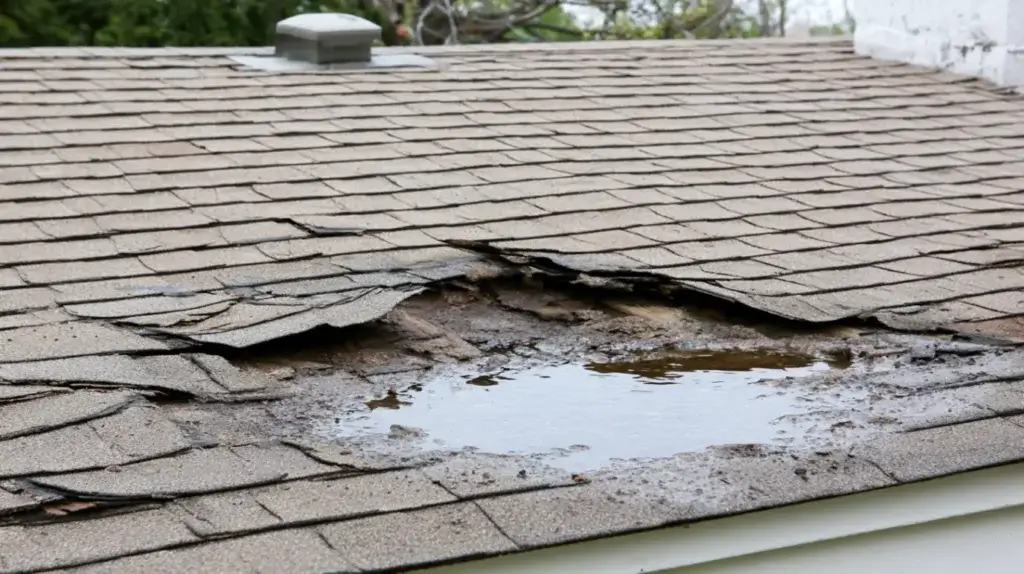
What to Do in the First 30 Minutes of an Active Roof Leak
The first 30 minutes should be organized, calm, and practical. We recommend following a sequence that protects people first, then property, then documentation.
Minute 1–5: Move People and Pets Away From the Leak Area
Start by moving children, pets, older adults, and anyone with mobility concerns away from the leak area. Keep everyone clear of ceiling bulges, sagging drywall, wet floors, and light fixtures where water is dripping. If water is entering near a ceiling fan, recessed light, chandelier, outlet, electrical panel, appliance, or extension cord, treat the area as potentially hazardous.
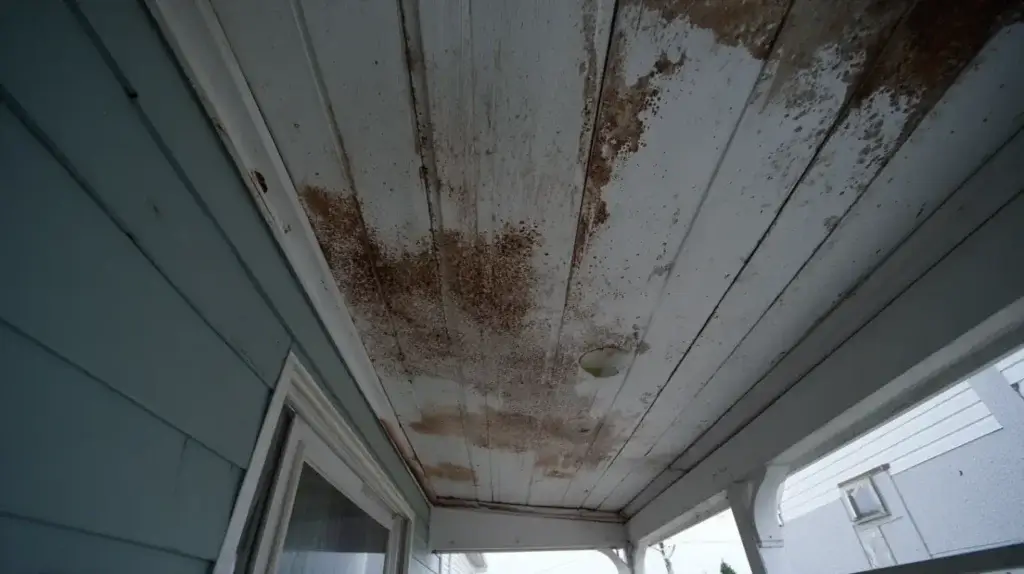
Do not stand directly beneath a stained or swollen ceiling. Drywall can hold water for a period of time before suddenly releasing it. If the ceiling has a bubble, a sagging section, cracking paint, or a soft-looking low spot, assume water has collected above it.
Minute 5–10: Protect Electrical Safety
Water and electricity create one of the most serious risks during a roof leak. If water is dripping near electrical fixtures, avoid touching switches, cords, plugs, wet appliances, or metal fixtures. If it is safe to access the electrical panel without walking through water, turn off power to the affected room or circuit. If water is near the panel, standing water is present, or you are unsure which breaker controls the area, leave the space and call a qualified electrician or emergency responder when needed.
Do not use a wet/dry vacuum near live electrical sources unless power has been safely shut off. Do not unplug electronics while standing on a wet floor. Do not test light switches to “see if they still work.” The goal is to reduce risk, not diagnose the electrical system during an active storm.
Minute 10–15: Contain the Water
Place buckets, storage bins, pots, or deep containers beneath the dripping area. If the water is splashing onto hardwood, laminate, tile grout, carpet, or furniture, place towels inside the container to reduce splashback. A large plastic storage tote often works better than a small bucket when the leak is spreading or when water is dripping from more than one point.
If water is running down a wall, tape plastic sheeting or a trash bag against the wall above the baseboard and angle it into a container. Do not tape anything over electrical outlets. If water is moving across a ceiling and dripping from multiple spots, place several containers and use towels to create temporary water paths away from furniture.
Minute 15–20: Move Furniture, Rugs, and Valuables
Move furniture, rugs, mattresses, electronics, documents, curtains, clothing, and stored items away from the affected area. If a large piece of furniture cannot be moved, cover it with plastic, a shower curtain liner, a tarp, or heavy trash bags. Lift rugs off the floor if possible, especially wool, jute, or area rugs over hardwood.
In Mount Pleasant homes with elevated crawlspace foundations, hardwood floors, coastal humidity, or older plaster finishes, trapped moisture can become a major concern. Fast interior protection helps reduce staining, swelling, odor, and moisture migration.
Minute 20–25: Relieve a Bulging Ceiling Only If It Is Safe
If a ceiling bubble is forming and there are no electrical fixtures nearby, controlled drainage may reduce the chance of a larger ceiling collapse. Place a bucket beneath the lowest point of the bulge, protect the floor with towels or plastic, and use a small screwdriver or similar tool to create a tiny puncture at the lowest point so water can drain into the container.
This should only be done if the area is safe, stable, and away from electrical fixtures. If the ceiling is heavily sagging, cracking, or making sounds, leave the area and close it off. A large soaked ceiling section can fail quickly.
Minute 25–30: Start Photo and Video Documentation
Take clear photos and short videos before moving too many items, if it is safe. Capture the active drip, stained ceiling, wet wall, puddles, damaged flooring, soaked belongings, water path, and any visible exterior storm conditions from inside the home. Record the date and time in your notes. Save weather alerts, storm names, and any emergency messages if the leak occurred during a tropical system.
Documentation should show the condition as it happened, not only after cleanup. This is useful for insurance conversations, repair planning, and moisture investigation.
How to Protect the Interior During a Storm Leak
Interior protection is about slowing damage until the roof can be safely inspected. Water intrusion can damage building materials in layers: first finishes, then insulation, then framing, then hidden cavities. A fast response can limit how much material becomes saturated.
Protect Ceilings and Walls
Use buckets and plastic sheeting to control water. If water is tracking along a ceiling seam, place containers under each drip point. If paint begins to blister, avoid pressing on it unless you are intentionally draining a small, safe bubble. Water-filled paint can burst and spread dirty water across the room.
For walls, watch for streaking, bubbling paint, soft drywall, or water emerging from trim. Water may enter at the roof but appear around windows, crown molding, door frames, or baseboards. This does not always mean the window is the original leak source. During wind-driven rain, roof water can move behind siding, under flashing, through attic framing, or down wall cavities.
Protect Flooring
Hardwood, laminate, engineered wood, and carpet need quick attention. Dry visible water with towels, then rotate fresh towels as needed. For carpet, avoid assuming the surface is dry just because the top feels less wet. Padding can hold water beneath the carpet and create odor or microbial growth concerns.
Do not place fans in a room where water is near electrical hazards. Once the storm has passed and power risks are addressed, air movement and dehumidification can help, but they do not replace roof repair or moisture assessment.
Protect Attic Insulation
If it is safe to access the attic from inside the home, look from the attic hatch with a flashlight. Do not walk across attic framing during a storm if you are not familiar with safe footing. Wet insulation can hide ceiling weakness and can become heavy enough to worsen drywall sagging.
Look for active dripping, dark roof decking, wet rafters, shiny water trails, or water running down pipes, vents, or electrical lines. Take photos from the attic entrance if possible. Do not pull insulation aggressively while water is still entering unless it is safe and necessary to reduce ceiling collapse risk.
Why Roof Leaks During Tropical Storms Can Be Hard to Trace
A roof leak during a tropical storm may not follow a straight vertical path. Wind can push rain uphill under shingles, sideways into vents, behind fascia, beneath ridge caps, around chimney flashing, or into roof-wall intersections. That is why the leak location inside the home is only one clue.
Common storm leak paths include:
- Lifted shingles or tabs from wind pressure
- Damaged pipe boots around plumbing vents
- Failed flashing around chimneys, walls, or skylights
- Clogged valleys that force water sideways
- Debris blocking gutters and backing water under roof edges
- Ridge vent leaks during wind-driven rain
- Nail pops or exposed fasteners
- Damaged roof decking around older leak points
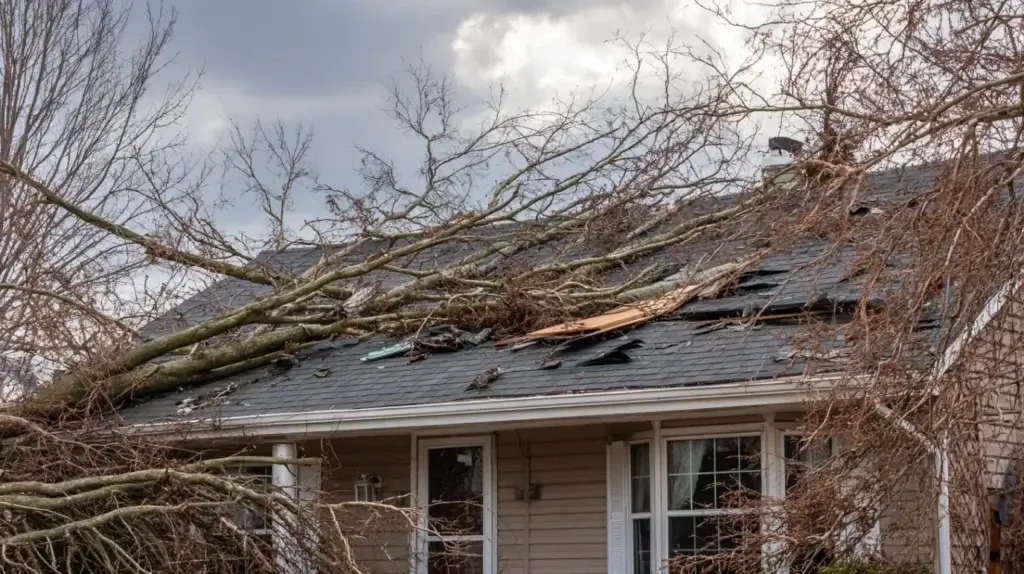
- Tree-limb impact punctures
- Flat or low-slope roof ponding near drains or scuppers
In coastal South Carolina, wind direction matters. Rain blowing from an unusual direction can expose weaknesses that may not leak during ordinary afternoon storms. A roof that seems fine during normal rain can leak during tropical bands because water is being driven into vulnerable transitions rather than simply falling downward.
When Emergency Tarping Is Needed
Emergency tarping is needed when the roof has an opening, active water entry, missing materials, impact damage, lifted shingles, exposed decking, damaged flashing, or a leak that cannot wait for a full repair. Tarping is not a cosmetic step. It is a temporary weather barrier used to reduce additional interior damage until permanent repairs can be completed.
Emergency tarping may be necessary if:
- Water is actively entering during or after the storm
- A tree limb has struck the roof
- Shingles, tiles, or metal panels are missing
- Roof decking is exposed
- Flashing has pulled away
- A ceiling leak is spreading
- The attic has visible dripping
- Wind has opened a ridge, valley, or roof edge
- A low-slope roof is holding water near a leak point
- More rain is expected before repairs can be completed
A proper tarp must be secured in a way that sheds water, covers the damaged area fully, and avoids creating new water paths. A tarp that stops short of the ridge, leaves open edges, or is poorly fastened can redirect water under the covering. During storm response, we focus on safe timing, correct placement, and enough coverage to reduce further intrusion.
If the leak is active and the storm is ongoing or more rain is forecast, schedule 24/7 emergency roof repair in Mount Pleasant as soon as the situation is safe enough for professional response.
What Not to Do When Your Roof Is Leaking During a Storm
A roof leak can cause panic, but the wrong action can make the situation worse. We recommend avoiding the following mistakes.
Do Not Go Onto the Roof
No leak is worth a fall injury. Wet shingles, gusting wind, lightning, and unstable ladders create unacceptable risk. Wait for safe conditions and professional help.
Do Not Ignore Electrical Fixtures
Water dripping through a light fixture, ceiling fan, outlet, or smoke detector should be treated as an electrical concern. Shut off power to the affected area if it is safe to do so.
Do Not Poke Large Holes in the Ceiling
A small controlled puncture in a safe ceiling bubble can help drain water. Large holes can cause drywall failure, spread contaminated water, and make repairs more extensive.
Do Not Use Caulk as a Storm Repair
Caulk applied during rain rarely solves the problem. Wet surfaces prevent proper adhesion, and sealing the wrong area can trap water. Storm leaks need source identification, not guesswork.
Do Not Assume the Leak Has Stopped Because the Drip Slowed
Water can continue moving through insulation and framing after rain stops. A drip may slow because water has shifted, not because the roof is sealed.
Do Not Throw Away Damaged Items Too Quickly
Before discarding soaked belongings, photograph them. Keep receipts for emergency supplies, drying equipment, hotel stays, or temporary protection materials if they are related to the damage event.
How to Document Roof Leak Damage for Insurance
Good documentation creates a timeline. It helps show what happened, when it happened, where the water entered, and how the damage progressed. Insurance policies vary, but clear photos and organized notes are always useful.
Take Wide, Medium, and Close Photos
Start with wide photos of the room so the location is clear. Then take medium photos showing the leak area, furniture, flooring, and nearby fixtures. Finally, take close photos of stains, drips, damaged belongings, wet insulation, ceiling bubbles, and any visible roof damage from the ground.
If you can safely photograph the roof from a window, doorway, porch, or ground level, capture missing shingles, debris, fallen branches, damaged gutters, or displaced flashing. Do not climb.
Record Short Videos
Video helps show active dripping, water movement, storm intensity, and the spread of water across surfaces. Slowly pan the room. State the date, approximate time, and what you are seeing. Keep videos short enough to upload or send if needed.
Save Weather Information
If the leak occurred during a named tropical storm, severe thunderstorm warning, tornado warning, or flood advisory, save screenshots of alerts. In coastal South Carolina, also pay attention to evacuation-zone guidance. SCEMD advises South Carolina coastal residents and visitors to understand hurricane evacuation zones and storm-surge vulnerability through Know Your Zone, which is especially relevant for Mount Pleasant properties near marshes, creeks, tidal areas, and low-lying roads.
Keep a Damage Log
Write down:
- When the leak started
- Which room was affected first
- Whether water came through a ceiling, wall, fixture, or attic
- What belongings were moved
- What temporary protection was used
- Whether power was turned off
- Whether emergency tarping was requested
- When the storm passed
- When a roofing inspection was scheduled
A simple written timeline can prevent confusion later, especially if multiple rooms are affected.
How to Check the Attic Safely After a Roof Leak
The attic can reveal the leak path before the ceiling damage becomes obvious. However, attic checks should be done carefully.
Only check the attic if:
- You can access it from inside
- There is no electrical hazard near the hatch
- The ceiling below is not sagging heavily
- You can use a flashlight safely
- You do not need to walk on wet or unfamiliar framing
From the attic entrance, look for dark stains on roof decking, water trails along rafters, wet insulation, dripping around vent pipes, moisture near chimneys, or light entering through gaps. If insulation is soaked, avoid compressing it or spreading it across dry areas. Wet insulation loses performance and can hold moisture against drywall and wood.
If the attic smells musty after the storm, moisture may be trapped even if the room below looks dry. That is a sign the roof should be inspected promptly.
Why Fast Response Reduces Interior Damage
Roof leaks expand because water follows gravity, pressure, and available pathways. A leak that starts at one roof penetration can move into insulation, ceiling cavities, wall framing, flooring, and trim. The longer water enters, the more materials become involved.
Fast response helps reduce:
- Ceiling drywall saturation
- Paint blistering
- Insulation damage
- Wood staining
- Flooring swelling
- Mold risk
- Odor
- Electrical fixture exposure
- Damage to furniture and belongings
- Repair complexity
The key is not only stopping the visible drip. The key is stopping the water source, removing wet materials when needed, drying affected spaces correctly, and confirming that hidden moisture is not continuing to damage the structure.
Mount Pleasant Storm Conditions That Make Roof Leaks Worse
Mount Pleasant properties face a combination of coastal weather conditions that can make emergency roof leaks more complicated than ordinary rain leaks.
Wind-Driven Rain
Strong wind can push water under materials that normally shed rain well. Roof valleys, ridge vents, wall flashing, dormers, and roof edges become vulnerable when rain hits at a sharp angle.
Tropical Rain Bands
Tropical systems often arrive in bands. A leak may appear, slow down, then return harder when the next band moves through. Do not remove buckets or coverings too soon.
Tree Debris
Pine limbs, oak branches, palm debris, and windblown objects can strike shingles, clog valleys, block gutters, or puncture roof surfaces. Even small debris can redirect water.
Coastal Humidity
High humidity slows drying. Materials that might dry quickly in a different climate can stay damp longer in the Lowcountry, especially in attics, wall cavities, closets, and shaded rooms.
Low-Lying Areas and Access Delays
Flooded roads, downed limbs, power outages, and evacuation orders can delay exterior inspection. That makes interior containment and documentation even more important during the first hours.
When to Call a Roofer During the Storm
Call for emergency roofing help as soon as you have protected people, controlled immediate water entry, and documented the damage. You do not need to wait until the storm is completely over to make the call. In many cases, scheduling the response early helps prioritize emergency tarping once conditions allow safe work.
Call immediately if:
- Water is entering through the ceiling
- The leak is near electrical fixtures
- The ceiling is sagging
- A tree or branch hit the roof
- Shingles or roof materials are missing
- You see daylight in the attic
- Multiple rooms are affected
- More rain is expected
- The property is vacant, rented, or used commercially
- You cannot safely identify the source
A professional emergency response should include a safety-focused inspection, temporary water-control recommendations, tarp evaluation, documentation of visible damage, and a plan for permanent repair once the storm risk passes.
What Happens After the Storm Passes
After the storm, the priority shifts from immediate containment to source confirmation and repair planning. A roofing inspection should evaluate the roof surface, penetrations, flashing, valleys, roof edges, vents, gutters, and attic evidence. Interior moisture should also be considered because the roof may be repaired before the inside is fully dry.
A complete post-storm roof leak evaluation should answer:
- Where did water enter the roof system?
- Did wind lift or loosen materials?
- Did flashing fail?
- Did debris cause impact damage?
- Is roof decking exposed or softened?
- Is emergency tarping still needed?
- What permanent repair is required?
- Did water reach insulation or electrical areas?
- Are more storms expected before repairs can be completed?
For property owners, the most important point is that a storm leak should not be judged only by the size of the ceiling stain. A small visible stain can come from a larger hidden path, especially when rain has moved through attic insulation before reaching the room below.

Emergency Roof Leak Checklist for Homeowners
Use this checklist during an active thunderstorm or tropical storm:
- Move people and pets away from the leak.
- Stay away from sagging ceilings.
- Avoid wet electrical fixtures, outlets, and cords.
- Shut off power to the affected area only if it is safe.
- Place buckets or containers under active drips.
- Use towels to reduce splashing.
- Move furniture, rugs, electronics, and valuables.
- Photograph and video the active leak.
- Check the attic only from a safe position.
- Save weather alerts and storm information.
- Do not climb onto the roof.
- Call for emergency roofing help if water is entering.
- Keep receipts for emergency supplies.
- Leave temporary roof covering to professionals when conditions are unsafe.
- Schedule a full inspection after the storm.
Conclusion
When a roof starts leaking during a thunderstorm or tropical storm, the right response is fast, careful, and safety-focused: protect people, control interior water, avoid electrical risks, document the damage, stay off the roof, and arrange emergency roofing help when conditions allow. For Mount Pleasant homeowners and property owners, storm leaks require special attention because wind-driven rain, coastal humidity, tropical bands, tree debris, and evacuation-zone concerns can turn a small opening into widespread interior damage if the response is delayed.
FAQ
What should we do first if our roof starts leaking during a thunderstorm?
Move people and pets away from the leak area, avoid electrical fixtures, place containers under active drips, protect furniture and flooring, and document the water intrusion with photos and videos. Do not climb onto the roof during the storm.
Should we tarp the roof while it is still raining?
No homeowner should attempt to tarp a roof during active lightning, strong wind, heavy rain, or tropical storm conditions. Emergency tarping should be handled when conditions are safe enough for professional work and when the roof has active water entry, missing materials, exposed decking, impact damage, or more rain expected.
Can a small ceiling drip still mean serious roof damage?
Yes. A small drip can come from water traveling through rafters, insulation, decking, flashing gaps, or wall cavities before it appears inside. The visible stain may be smaller than the hidden moisture path, so the roof and attic should be inspected after the storm.