
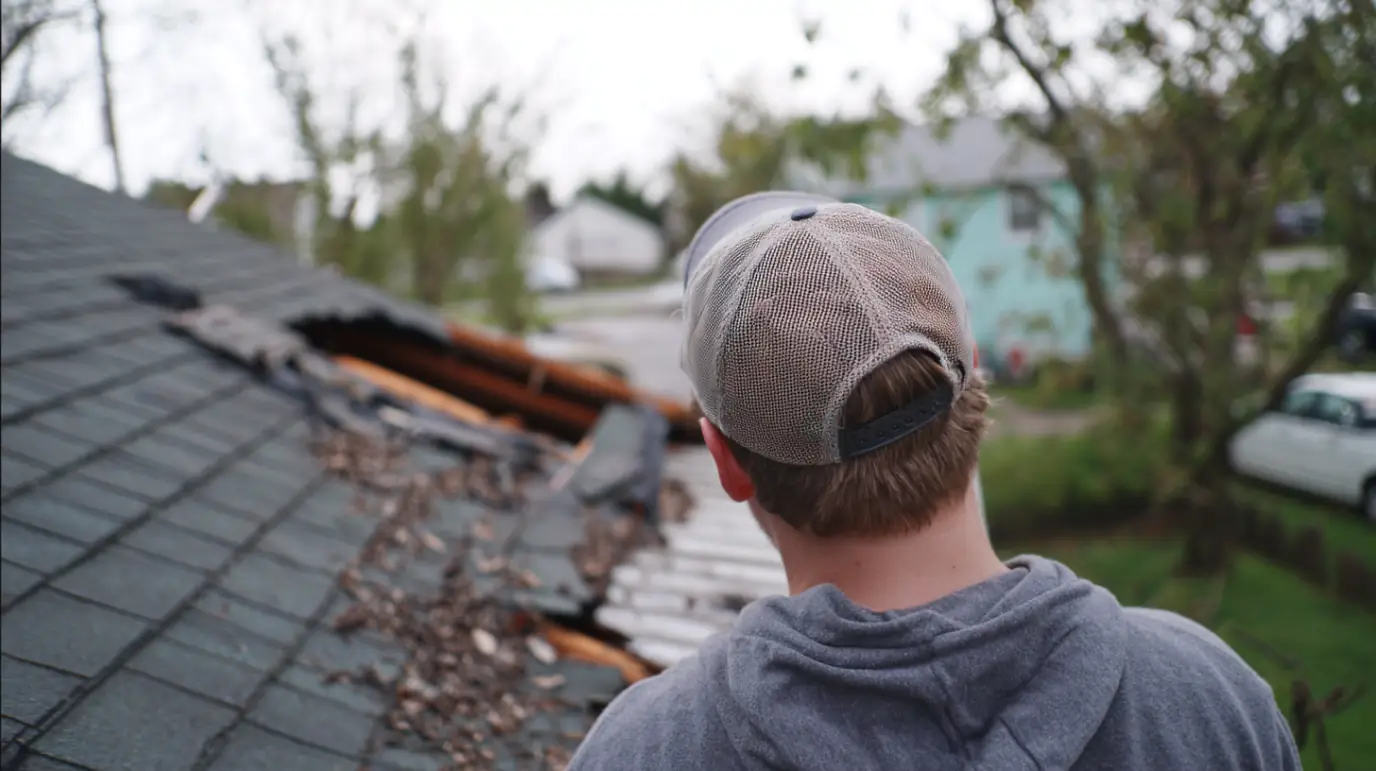
MasterRoof Mount Pleasant helps homeowners in Mount Pleasant, SC understand one of the most important realities of Lowcountry roofing: roof damage is often caused by a combination of small failures, not one dramatic event. A lifted shingle, a cracked pipe boot, a loose piece of flashing, a clogged valley full of pine needles, or wind-driven rain pushing under vulnerable edges can allow moisture into the roofing system long before water stains appear inside the home. In a coastal climate shaped by humid summers, tropical storm threats, salt-heavy air, heavy rainfall, mature trees, and sudden wind events, roof repair is not just about stopping a visible leak. It is about finding the full moisture pathway, correcting the weakness, and protecting the home before hidden damage spreads into decking, insulation, ceilings, and interior finishes.
Mount Pleasant roofs face a very specific set of local stressors. Homes near the harbor, marshes, creeks, and open wind corridors can experience wind-driven rain that moves sideways rather than straight down. Neighborhoods with large live oaks, pines, and palms often deal with branch impact, leaf buildup, clogged gutters, and debris-packed valleys after storms. Coastal humidity slows drying, salt air accelerates corrosion on exposed fasteners and metal components, and repeated summer storms can turn a small flashing defect into a recurring leak. Official South Carolina climate data identifies the state’s coastal Lowcountry as part of a humid climate with warm, moist Atlantic influence, and it notes that Charleston sea level has risen by 1.3 inches per decade since reliable records began in 1921, increasing long-term exposure for built coastal environments.
Why Roof Repair in Mount Pleasant Requires a Coastal Approach
Roof repair in Mount Pleasant is different from roof repair in a dry inland climate. The issue is not only rainfall volume. It is how moisture behaves after it reaches the roof. In the Lowcountry, warm, humid air can keep roof cavities damp longer. Afternoon storms can arrive quickly, push rain at sharp angles, and expose weaknesses around shingles, vents, skylights, chimneys, dormers, and wall transitions. Even after the storm passes, moisture can remain trapped beneath shingles, behind siding edges, under flashing laps, or inside attic insulation.
A roof that looks mostly intact from the ground may still have storm-related damage. Wind can break the adhesive seal on asphalt shingles without removing them. Once that seal is broken, the shingle may lie flat again after the wind stops, making the roof appear normal while leaving it vulnerable during the next storm. This is especially important in Mount Pleasant because repeated wind and rain cycles can enlarge the same weak point over time. A small area of wind-lifted shingles today can become exposed underlayment, wet decking, and interior ceiling damage later.
This is why a proper repair approach begins with cause diagnosis, not surface patching. We look for the first point of water entry, the direction of storm exposure, the condition of surrounding shingles, the state of roof penetrations, the integrity of flashing, the presence of trapped debris, and the signs of moisture migration inside the attic. The goal is not to make the symptom disappear for one rainstorm. The goal is to restore the roof’s ability to shed water under Mount Pleasant conditions.
Contact Us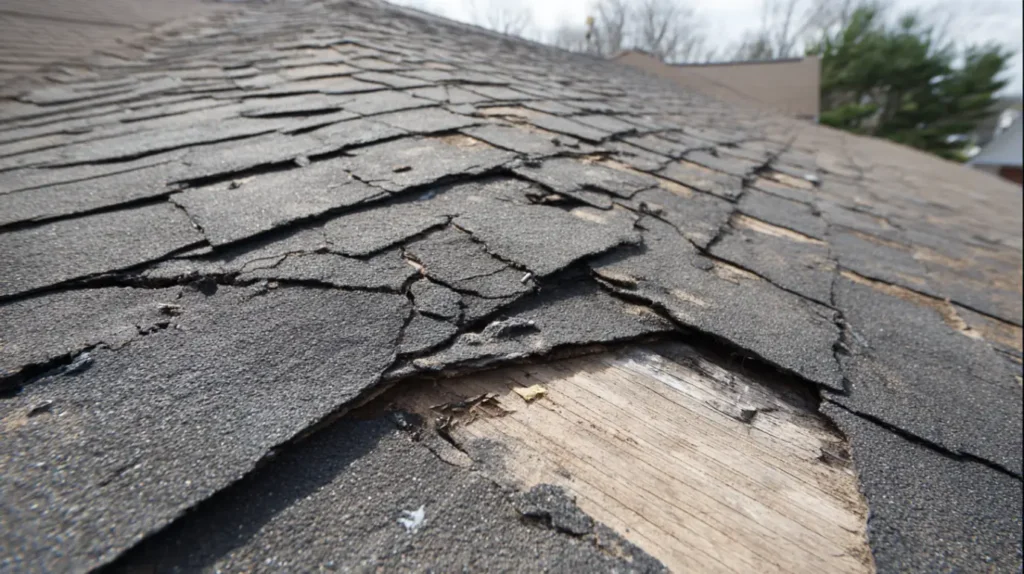
The Most Common Roof Repair Problems in Mount Pleasant, SC
Roof problems in Mount Pleasant usually fall into several major categories: roof leaks, wind-lifted shingles, flashing failures, storm damage, moisture-related deterioration, tree debris damage, and emergency openings that require temporary tarping. These categories often overlap. A storm may lift shingles, push debris into a valley, loosen flashing, and expose a nail hole all at the same time. The leak that appears in the living room may be only the final visible result of several roof system failures above it.
The most common problems we see include:
| Roof Problem | Common Local Cause | Why It Matters |
| Wind-lifted shingles | Lowcountry storms, gust fronts, tropical systems | Breaks the seal and allows wind-driven rain under the shingle field |
| Flashing leaks | Salt air corrosion, poor installation, storm movement | Water enters at chimneys, walls, skylights, vents, and roof transitions |
| Pipe boot leaks | UV exposure, rubber cracking, humidity aging | Water travels down plumbing penetrations into attic or ceilings |
| Valley leaks | Pine needles, leaves, branches, granules, poor drainage | Water backs up beneath shingles instead of flowing off the roof |
| Storm punctures | Tree limbs, flying debris, palm fronds, broken branches | Creates direct openings through shingles or underlayment |
| Ridge cap damage | High wind exposure along roof peaks | Allows water entry at one of the most exposed roof areas |
| Soft decking | Long-term moisture intrusion | Indicates water has reached structural roof sheathing |
| Interior stains | Delayed leak discovery | Often means the leak has already passed through insulation or drywall |
| Emergency openings | Fallen limbs, severe wind, missing shingles | Requires temporary protection before permanent repair |
The important point is that roof damage should be read as a system. A missing shingle is not just a missing shingle. It is a break in the roof’s water-shedding plane. A rusted flashing edge is not just cosmetic. It may be the start of water entry behind a wall. A ceiling stain is not merely an interior issue. It is evidence that water has traveled through multiple layers of the home.
Roof Leaks in Mount Pleasant: Why Small Leaks Become Major Damage
A roof leak often begins long before water drips into a room. The first stage may be a small amount of water entering under shingles during wind-driven rain. That water may wet the underlayment, then reach a nail penetration, decking seam, rafter, or insulation layer. Because water follows gravity, framing, and the path of least resistance, the stain inside the home may appear several feet away from the actual roof opening.
In Mount Pleasant, hidden leaks are especially risky because humidity slows evaporation. When moisture enters an attic or roof cavity, it may not dry quickly. Damp insulation can hold water against wood. Wood decking can swell, soften, or stain. Fasteners can corrode. Mold-like growth can develop when moisture persists. Drywall can bubble, discolor, or crack. Paint can peel. A leak that seems occasional may actually be active every time wind pushes rain from a certain direction.
The most common leak signs include brown ceiling rings, bubbling paint, musty attic odor, damp insulation, stained roof decking, rust on nail tips, dark streaks around roof penetrations, water trails on rafters, warped trim, and repeated stains after heavy rain. In some homes, the leak appears only during tropical systems or strong wind events. That does not mean the roof is sound during normal rain. It often means the weak point requires wind pressure to force water through it.
Wind-Driven Rain: The Lowcountry Leak Pattern Homeowners Miss
Wind-driven rain is one of the most important roof repair issues in coastal South Carolina. Normal rainfall falls downward and relies mainly on roof slope and drainage paths. Wind-driven rain moves sideways, upward along edges, and underneath vulnerable materials. It can enter through gaps that would not leak during a calm rain.
This matters for roofs in Mount Pleasant because many homes have complex rooflines, dormers, wall intersections, covered porches, vents, valleys, and architectural transitions. Each transition is a place where water must be managed by flashing, underlayment, shingles, sealants, and proper overlap. When wind pressure pushes rain against these areas, even a small defect can become active.
Wind-driven rain commonly enters through:
- lifted shingle edges;
- unsealed starter course areas;
- roof-to-wall flashing;
- step flashing gaps;
- chimney flashing;
- skylight flashing;
- ridge cap openings;
- vent pipe boots;
- nail pops;
- exposed fasteners;
- poorly sealed roof vents;
- gaps beneath siding where flashing is incomplete;
- valleys filled with debris;
- low-slope roof sections tied into steeper roof planes.
A common Mount Pleasant example is a leak that appears on a ceiling near an exterior wall after a coastal storm. The homeowner may assume the roof is leaking directly above the stain, but the actual issue may be sidewall flashing, a lifted shingle near a dormer, or water being driven behind a vertical transition. Another example is a leak that appears only during northeast wind. In that case, the roof may perform normally during vertical rain but fail when wind pushes water into the exposed side of the roof.
Wind-Lifted Shingles and Broken Shingle Seals
Asphalt shingles are designed to overlap and shed water, but they also depend on adhesive strips that help resist wind uplift. When wind breaks the seal, shingles can flutter, crease, crack, or lift. Sometimes the shingle tears away completely. Other times it settles back into place, hiding the damage from view.
Wind-lifted shingles are serious because they create an opening for rain. They also weaken the surrounding shingles. Once one shingle edge is lifted, wind can catch the next course more easily. During repeated storms, the affected area can expand. In Mount Pleasant, where thunderstorms and tropical systems can bring shifting winds, a damaged shingle field may be exposed from multiple directions over time.
Signs of wind-lifted shingles include uneven shingle tabs, raised corners, missing shingles, creased horizontal lines, loose granules in gutters, exposed nail heads, torn shingle mats, shingles found in the yard, and patches that look slightly different in texture or alignment. From the ground, lifted shingles can be difficult to see. A professional roof inspection often reveals seal failure by gently testing whether the shingle tabs remain bonded.
Repair may involve resealing, replacing individual shingles, correcting fastener exposure, replacing damaged underlayment, or evaluating whether the surrounding field has widespread wind damage. If only a small isolated area is affected, targeted repair may be appropriate. If large sections have broken seals, repeated creasing, or widespread granule loss, replacement may become the stronger long-term solution.
Flashing Leaks Around Chimneys, Walls, Skylights, and Roof Transitions
Flashing is one of the most important parts of a roofing system because it protects areas where shingles alone cannot manage water. Roofs do not leak only in the middle of open shingle fields. Many leaks begin where the roof meets something else: a wall, chimney, skylight, vent, dormer, porch tie-in, or low-slope transition.
In Mount Pleasant, flashing is exposed to heat, humidity, salt air, wind movement, and heavy rain. Over time, metal can corrode, sealant can fail, fasteners can loosen, and improperly installed flashing can separate from the wall or roof plane. Salt air can be especially hard on exposed metal components, particularly near marshes, creeks, or more open coastal exposure.
The most common flashing leak areas include:
Chimney Flashing
Chimney leaks may come from step flashing, counterflashing, cracked mortar, deteriorated sealant, a missing cricket, or water entering through the chimney crown. The stain may appear beside a fireplace, along a ceiling edge, or inside the attic near the chimney chase. Proper repair often requires separating cosmetic caulking from true flashing correction. Simply smearing sealant over the joint rarely solves the full problem.
Roof-to-Wall Flashing
Where a roof slope meets a vertical wall, step flashing must guide water out and over the shingles. If flashing is missing, buried, rusted, cut short, or covered incorrectly by siding, wind-driven rain can enter behind the wall. This is a common source of leaks near dormers, second-story walls, porch roofs, and garage tie-ins.
Skylight Flashing
Skylights are vulnerable because they interrupt the roof surface. A skylight leak may come from failed flashing, cracked glazing, condensation, clogged weep channels, or aged sealants. In humid climates, homeowners may mistake condensation for a roof leak, but storm-specific water staining usually points to exterior flashing or seal failure.
Vent and Pipe Boot Flashing
Pipe boots are frequent leak sources because rubber collars crack from UV exposure and age. Once the collar splits, water can run directly along the pipe into the attic. The repair may be simple if caught early, but delayed pipe boot leaks can wet decking and insulation around the penetration.
Storm Damage Roof Repair After Lowcountry Weather Events
Lowcountry storms can damage a roof in obvious and hidden ways. Obvious damage includes missing shingles, fallen branches, punctures, exposed underlayment, broken ridge caps, and detached gutters. Hidden damage includes lifted shingles, loosened flashing, bruised shingles from debris impact, cracked sealant, nail pops, and small punctures concealed by leaves or branches.
After a storm, the roof should be evaluated in layers:
- Exterior roof surface — missing, lifted, torn, or creased shingles.
- Roof edges — fascia, drip edge, starter course, and gutter attachment points.
- Valleys — debris accumulation, shingle damage, granule buildup, and water backup risk.
- Penetrations — pipe boots, vents, skylights, exhaust caps, and flashing.
- Ridge and hips — missing ridge caps, cracked caps, or exposed fasteners.
- Attic — wet insulation, water stains, daylight through roof openings, and dark decking.
- Interior ceilings — new stains, soft drywall, peeling paint, and musty odor.
Mount Pleasant’s official flood hazard guidance notes that local flooding can come from blocked or inadequate drainage facilities, while tropical storms and hurricanes can cause storm surge and wave action in coastal high-hazard areas; the same page warns, “Every storm is different!” That statement is highly relevant to roof repair because storm damage should not be judged only by the last event a homeowner remembers. Wind direction, rainfall angle, debris impact, tree coverage, and roof age all affect what happens to a specific home.

Tree Debris, Pine Needles, Leaves, and Branch Impact
Mount Pleasant neighborhoods often have mature trees that add shade and curb appeal, but tree coverage also creates roof risk. After storms, branches, pine needles, leaves, acorns, palm debris, and moss can collect on shingles, in valleys, behind chimneys, around skylights, and inside gutters. Debris traps moisture and slows drainage. Over time, wet debris can accelerate granule loss, promote algae and organic buildup, and create water dams that force rain beneath shingles.
Valleys are especially vulnerable. A roof valley is designed to collect and move water quickly. When debris blocks the valley, water can spread sideways under shingle edges or back up beneath the roofing material. This is one reason a roof may leak only during heavy rain. The roof may handle light rain because water volume is low, but it fails when a storm overwhelms the blocked drainage path.
Branch impact can also bruise shingles. A shingle may not be punctured completely, but the impact can remove granules, crack the mat, or weaken the waterproofing layer. Large limbs can break shingles, damage decking, crush vents, bend flashing, or create emergency openings that need immediate tarping.
Salt Air and Corrosion on Coastal Roof Components
Salt air does not damage only beachfront structures. In the Mount Pleasant area, salty moisture can affect metal roof components, fasteners, flashing, vent caps, chimney caps, exposed nail heads, gutter connections, and other roof-adjacent materials. Corrosion is not always obvious from the ground. It may begin at fastener heads, flashing laps, metal edges, or areas where protective coatings have worn away.
Corroded flashing can lose its ability to direct water. Corroded fasteners can loosen. Rusted nail heads can create small water entry points. Metal vent caps can degrade around seams. Gutters can separate or leak at joints, causing water to spill against fascia, soffits, and foundation areas. In a coastal environment, roof repair should include a careful look at exposed metals, not just shingles.
This is also why matching materials matters. Some metals react poorly when placed together. Poor fastener selection can shorten the life of a repair. Sealant alone should not be used as a substitute for durable flashing and mechanically sound installation.
Humidity-Related Moisture and Attic Ventilation Problems
Not every moisture problem begins with a roof opening. Some roof-related moisture issues are caused by ventilation imbalance, condensation, bathroom exhaust problems, or trapped humid air in the attic. In Mount Pleasant, high humidity can make these problems more visible and more damaging.
A poorly ventilated attic can hold warm, moist air. When that moisture contacts cooler surfaces, it may condense on nails, decking, rafters, or insulation. Homeowners may see dark staining on roof sheathing and assume the roof is leaking. Sometimes it is. Other times the problem is condensation caused by inadequate attic airflow or exhaust fans venting into the attic instead of outdoors.
The difference matters because the repair strategy changes. A leak requires correcting the exterior water entry point. Condensation requires improving ventilation, air sealing, insulation, or exhaust routing. Many homes have both conditions at once: a small roof leak plus poor drying conditions. That combination can create persistent moisture, musty odor, and recurring stains.
Signs of attic moisture issues include:
- rusted nail tips;
- damp insulation without a clear roof stain above it;
- widespread dark sheathing instead of one leak trail;
- musty odor after humid weather;
- bathroom fan ducts ending in the attic;
- blocked soffit vents;
- insufficient ridge ventilation;
- insulation packed against intake vents;
- condensation on metal components.
A thorough roof repair inspection should separate leak evidence from ventilation evidence. Treating all attic moisture as a roof leak can lead to unnecessary repairs. Treating all moisture as condensation can leave an active leak unresolved.
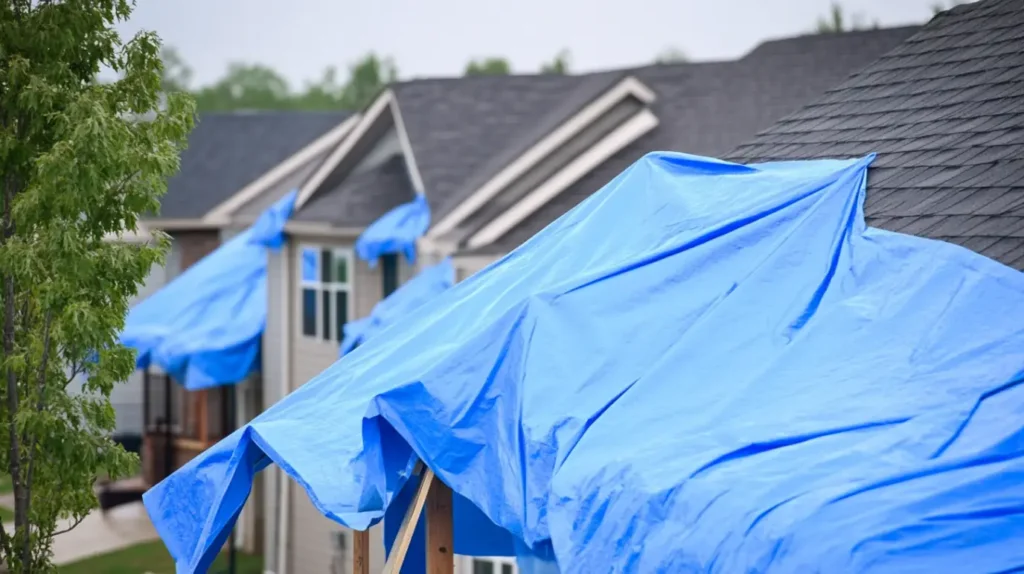
Emergency Roof Tarping in Mount Pleasant
Emergency tarping is a temporary protection measure used when a roof has an opening or severe vulnerability that cannot be permanently repaired immediately. It is common after fallen limbs, missing shingles, punctures, storm damage, or active leaks during ongoing weather.
A tarp should be installed to shed water, not merely cover the visible hole. Poor tarping can trap water, blow loose, damage shingles, or allow rain to run beneath the tarp. A proper emergency tarp is secured beyond the damaged area, positioned to direct water downward and away from the opening, and installed with attention to wind exposure. In storm conditions, safety matters. Homeowners should not climb onto a wet, steep, or damaged roof.
Emergency tarping may be needed when:
- shingles are missing and underlayment is exposed;
- a branch punctures the roof;
- decking is visible;
- water is actively entering the home;
- flashing is torn open;
- a skylight is broken;
- roof vents are damaged;
- ridge caps are missing;
- permanent repair must wait for weather, materials, or inspection.
A tarp is not a repair. It is a short-term barrier. Once conditions are safe, the damaged area should be inspected, documented, and repaired properly. Leaving a tarp in place too long can create new problems, especially in humid weather where trapped moisture may remain beneath the covering.
What to Do Immediately After a Roof Leak
When a leak appears, the first priority is safety and moisture control. Homeowners should move valuables away from the leak, place a container under dripping water, protect flooring, and avoid touching wet electrical fixtures. If the ceiling is bulging with water, the area should be treated carefully because saturated drywall can collapse. If water is near lights, outlets, or electrical panels, the situation may require electrical safety precautions.
The next step is documentation. Photos of interior stains, dripping water, damaged shingles, fallen limbs, and wet insulation can help establish the timeline of damage. Notes should include the date, storm conditions, wind direction if known, and when the leak first appeared.
A roof inspection should follow as soon as weather conditions allow. The inspection should not focus only on the room where water appeared. It should trace the leak from the roof surface to the attic and interior. Water often enters at one point and appears somewhere else. This is especially true around rafters, insulation, wall cavities, and ceiling seams.
Roof Leak Diagnosis: How We Track the Real Source
Effective leak diagnosis requires patience. A stain on the ceiling is evidence, not a final answer. The leak source may be above the stain, uphill from it, behind a wall, around a penetration, or at a roof transition several feet away.
A complete roof leak diagnosis typically includes:
Interior Review
We look at stain shape, location, severity, moisture pattern, ceiling texture, wall proximity, and whether the stain appears after every rain or only during storms. A stain near an exterior wall may suggest flashing, soffit, siding, or roof edge involvement. A stain near a bathroom may suggest pipe boot or exhaust vent issues. A stain near a fireplace may point to chimney flashing or masonry.
Attic Inspection
The attic often reveals the true path. We look for water trails on rafters, dark decking, wet insulation, rusted nails, daylight openings, mold-like growth, and signs of repeated moisture. The attic can show whether water entered recently or has been active for a long time.
Roof Surface Inspection
The roof surface is checked for damaged shingles, missing tabs, lifted edges, exposed nails, nail pops, sealant failure, cracked boots, damaged vents, valley debris, flashing defects, and storm impact. The condition of nearby materials is as important as the obvious defect.
Water Path Analysis
Water follows slope, framing, and material seams. We evaluate how rain would move across the roof during normal rainfall and wind-driven rainfall. In Mount Pleasant, this step is critical because storm direction can activate leaks that do not appear during calm rain.
Repair vs. Replacement: How to Make the Right Decision
Not every roof leak means the roof must be replaced. Many leaks can be repaired successfully when the roof is otherwise in good condition. However, repeated leaks, widespread wind damage, advanced age, soft decking, brittle shingles, and large areas of failed flashing can change the decision.
A roof repair may be appropriate when:
- damage is isolated;
- shingles are still flexible and compatible with repair;
- the leak source is clear;
- surrounding materials are sound;
- decking is not rotten;
- flashing can be corrected without disturbing failing roof sections;
- storm damage affects a limited area;
- the roof still has meaningful service life.
Roof replacement may be the better path when:
- shingles are brittle, curled, cracked, or losing granules widely;
- multiple leaks exist in different areas;
- wind damage is widespread;
- decking is soft in several locations;
- repairs have failed repeatedly;
- flashing problems are systemic;
- the roof is near the end of its expected life;
- repair costs are becoming inefficient compared with replacement value.
The key is not to choose the cheapest immediate option or the largest project by default. The right decision is based on roof age, damage pattern, moisture history, storm exposure, material condition, and the homeowner’s long-term plans. If a targeted repair can restore performance, it may be the most responsible option. If the roof system is failing across multiple areas, replacement may prevent a cycle of recurring leaks.
Asphalt Shingle Roof Repair in Mount Pleasant
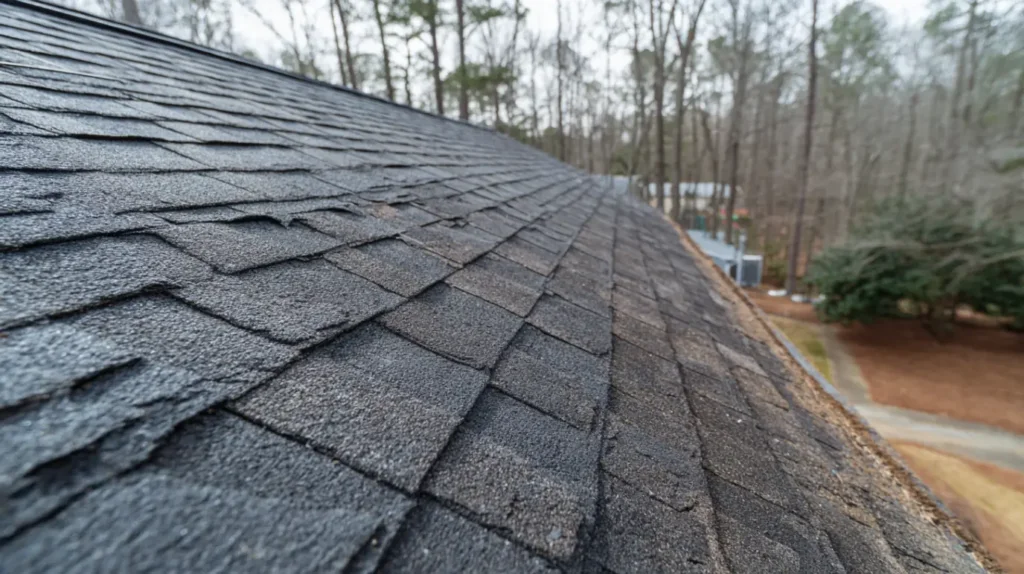
Asphalt shingles are common throughout Mount Pleasant because they are versatile, cost-effective, and available in styles that fit Lowcountry homes. Their most common repair needs include missing shingles, lifted shingles, cracked shingles, nail pops, granule loss, ridge cap damage, and flashing-related leaks.
A proper asphalt shingle repair should match the existing roof as closely as possible, remove damaged material carefully, inspect the underlayment and decking below, replace compromised shingles, seal or fasten according to manufacturer requirements, and verify that surrounding shingles remain watertight. Patching over damaged shingles or applying excessive sealant can create a temporary appearance of repair without restoring the system.
Color matching can be difficult on older roofs because sun exposure and weathering change the appearance of shingles over time. This does not prevent repair, but homeowners should understand that a functional repair may not be perfectly invisible. The priority is watertight performance, correct integration, and protection against future wind-driven rain.
Metal Roof Repair in Coastal Conditions
Metal roofs perform well in many coastal settings, but they require specialized repair methods. Common issues include loose fasteners, failed washers, panel movement, corrosion, seam separation, flashing defects, sealant failure, and damage around penetrations. Because metal expands and contracts, repairs must allow for movement. Incorrect sealants, incompatible metals, or poorly placed fasteners can create recurring leaks.
In Mount Pleasant, metal roof repairs should pay close attention to corrosion resistance. Exposed fasteners and cut edges are vulnerable points. A small leak around a fastener may travel along the underside of a panel before appearing inside. Repairs should correct the mechanical issue, not simply coat the surface.
Low-Slope Roof Sections and Porch Tie-Ins
Many homes in Mount Pleasant have porches, additions, covered entries, or low-slope roof sections tied into steeper roofs. These areas can be leak-prone when the wrong material is used or when flashing is incomplete. Standard shingles are not ideal for very low slopes because water does not drain quickly enough. Wind-driven rain can also push water beneath laps more easily on low-slope areas.
Common low-slope problems include ponding water, inadequate underlayment, poor transition flashing, clogged drains, exposed fasteners, and sealant failure. A roof repair in these areas may require more than shingle replacement. It may involve correcting the transition, improving drainage, replacing flashing, or using a material better suited to the slope.
Gutter, Fascia, and Roof Edge Problems
Gutters are not technically the roof covering, but they strongly affect roof performance. When gutters clog with leaves, pine needles, and debris, water can back up under the roof edge, overflow onto fascia, saturate soffits, and contribute to wood rot. During heavy Lowcountry storms, clogged gutters can cause water to spill where the home is least prepared to handle it.
Roof edge repairs may involve drip edge correction, fascia repair, gutter reattachment, starter shingle repair, soffit evaluation, and checking for rot. If water has been backing up for a long time, the visible gutter issue may be only part of the problem. The roof edge and nearby decking may also need inspection.
Insurance Documentation After Storm Damage
After a storm, documentation matters. Homeowners should keep photos, inspection notes, repair estimates, and records of temporary protection such as tarping. A professional roof inspection can help identify storm-related damage, but homeowners should understand that insurance coverage depends on policy terms, cause of loss, deductible, roof condition, and adjuster findings.
Useful documentation may include:
- date of the storm;
- photos of exterior damage;
- photos of interior leaks;
- images of fallen branches or debris;
- attic moisture evidence;
- emergency tarp photos;
- written repair scope;
- material list;
- contractor findings;
- invoices for completed repairs.
The repair scope should be clear. It should identify the damaged area, the likely cause, the materials being replaced, the flashing or underlayment work included, and whether decking repairs are anticipated. Vague repair descriptions can lead to confusion later.
Preventive Roof Maintenance for Mount Pleasant Homes
The best roof repair is often the one that prevents a leak from becoming expensive. In Mount Pleasant, preventive maintenance should focus on storm readiness, drainage, flashing, tree debris, attic ventilation, and early leak detection.
Recommended maintenance includes:
- inspecting the roof after major storms;
- clearing valleys and gutters;
- trimming branches away from the roof;
- checking pipe boots for cracks;
- inspecting chimney and wall flashing;
- looking for lifted or missing shingles;
- monitoring attic moisture;
- checking ceilings after wind-driven rain;
- cleaning debris from low-slope areas;
- documenting roof condition before hurricane season;
- repairing small defects before tropical weather arrives.
Maintenance is especially important before hurricane season and after named storms, tropical systems, severe thunderstorms, or high-wind events. A roof that is already weakened before a storm is more likely to fail when wind and rain intensify.
When to Schedule Professional Roof Repair
Homeowners should schedule professional roof repair when there is visible damage, active leaking, missing shingles, suspected wind damage, ceiling staining, damaged flashing, cracked pipe boots, debris impact, or repeated moisture in the attic. Waiting can allow water to spread into hidden areas.
A professional inspection is also wise after strong storms even when no leak is visible. Many storm-related roof failures begin as small openings. By the time water reaches the living space, decking, insulation, and drywall may already be affected.
For homeowners who need local help, our service page for roof repair in Mount Pleasant, SC explains how roof repair is handled for leaks, storm damage, damaged shingles, flashing issues, and urgent roofing concerns.

Why Local Experience Matters for Roof Repair in Mount Pleasant
A roof repair strategy must fit the climate, roof style, and local weather patterns. Mount Pleasant roofs must be prepared for humid air, wind-driven rain, tropical storm threats, salt exposure, tree debris, and sudden summer downpours. A repair that might hold up in a drier region may fail quickly in the Lowcountry if it does not manage moisture correctly.
MasterRoof Mount Pleasant approaches roof repair by identifying the cause, correcting the water pathway, protecting surrounding materials, and helping homeowners understand whether repair or replacement is the smarter long-term decision. The focus is not on temporary patching. It is on restoring roof performance under real Mount Pleasant conditions.
Conclusion
Roof repair in Mount Pleasant, SC requires more than replacing a few visible shingles. Lowcountry storms, wind-driven rain, salt air, high humidity, tree debris, flashing vulnerabilities, and coastal moisture patterns all affect how roofs fail and how repairs should be performed. A small leak can travel through the roof system before appearing indoors. A lifted shingle can look harmless until the next storm pushes rain beneath it. A cracked pipe boot, corroded flashing edge, clogged valley, or storm-damaged ridge cap can quietly create expensive hidden damage. The strongest repair approach begins with accurate diagnosis, clear documentation, proper material integration, and a decision framework that separates isolated repair needs from full roof replacement concerns. When homeowners act early, they protect not only the roof surface but also the decking, attic, insulation, ceilings, walls, and long-term value of the home.
FAQ
How do we know if a roof leak in Mount Pleasant is caused by wind-driven rain?
A wind-driven rain leak often appears only during storms with strong gusts or rain coming from a specific direction. The roof may not leak during light vertical rain. Common sources include lifted shingles, roof-to-wall flashing, chimney flashing, skylights, ridge caps, and exposed nail points. A professional inspection should trace the leak through the attic and roof surface rather than assuming the stain is directly below the opening.
Should we repair or replace a storm-damaged roof?
Repair is usually appropriate when the damage is isolated, the shingles are still in good condition, the decking is sound, and the leak source is clear. Replacement becomes more practical when there are widespread lifted shingles, repeated leaks, brittle materials, extensive granule loss, soft decking, or multiple failing roof areas. The decision should be based on the roof’s overall condition, age, storm damage pattern, and long-term repair value.
Is emergency tarping enough to stop roof damage after a storm?
Emergency tarping is temporary protection, not a permanent repair. It can help reduce active water entry after missing shingles, punctures, fallen limbs, or storm openings, but the damaged area still needs proper inspection and repair. In Mount Pleasant’s humid climate, leaving a tarp too long can trap moisture and create additional problems beneath the covering.